Westchester County, from the Hudson to Long Island Sound
Mold Inspection and Assessment Across Westchester
Find out in writing what kind of water reached your Westchester home, how far into the building it got, and whether there is a mold job to do at all.
Mold Inspection quote
Tell us what you can see or smell, which room it is in, and how the water got there if you know. A few lines is enough to match you with a licensed assessor.
Would you rather talk it through? Call (315) 640-3590.
$100 off your first job
Credited by us on your first booked job.
- One credit per customer per property, on your first booked job.
- Valid through December 31, 2026.
Mention this offer when you book. Full terms.
What a Westchester mold inspection tells you
You get a written answer to the questions that decide everything after it: where the growth is, what it is growing on, where the moisture is coming from, and what kind of water reached the house in the first place. That last question matters more than most people expect. The water damage standard the restoration trade works to puts seawater, rising river or stream water and sewage in its most contaminated category, while a clean supply line leak is not in it, and the category is settled on inspection rather than assumed from the weather. In a county with the Hudson on one side, Long Island Sound on the other and private septic systems in parts of the north, two basements that got wet in the same storm can need very different work. The assessment is carried out by a New York licensed mold assessment firm, which writes the plan any removal has to follow. It is a different company from the one that would do the removal, and that separation is what makes the report worth reading. We arrange the visit with the licensed firm; we do not carry out assessment or removal ourselves.
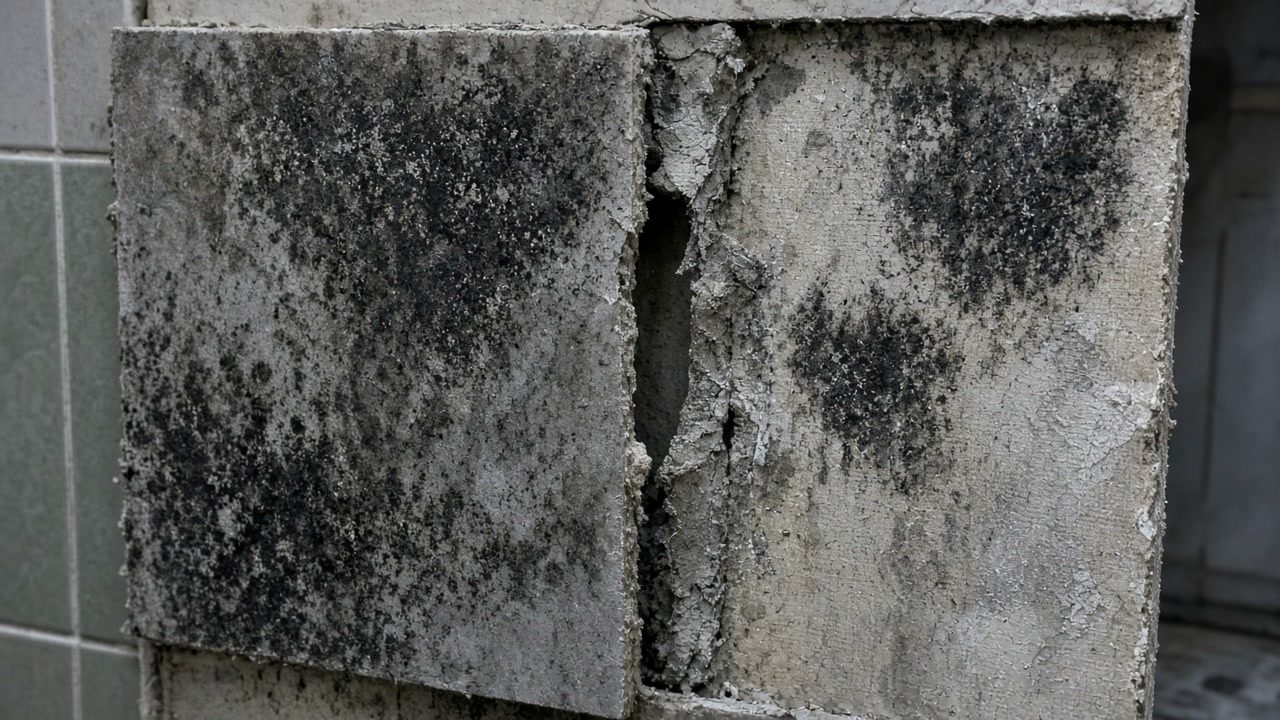
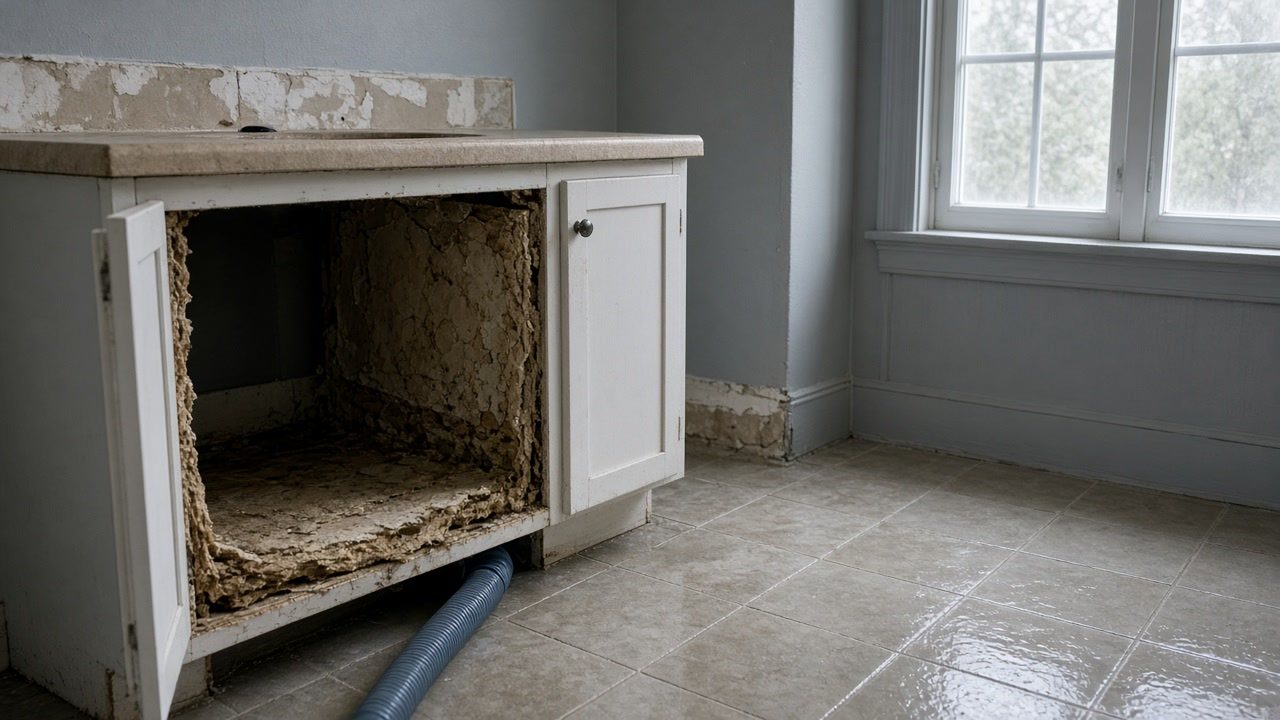
- A walkthrough of every affected space, including the basement, crawl space, attic, closets on outside walls and any room below a leak, recording visible growth, staining, odor and damaged materials
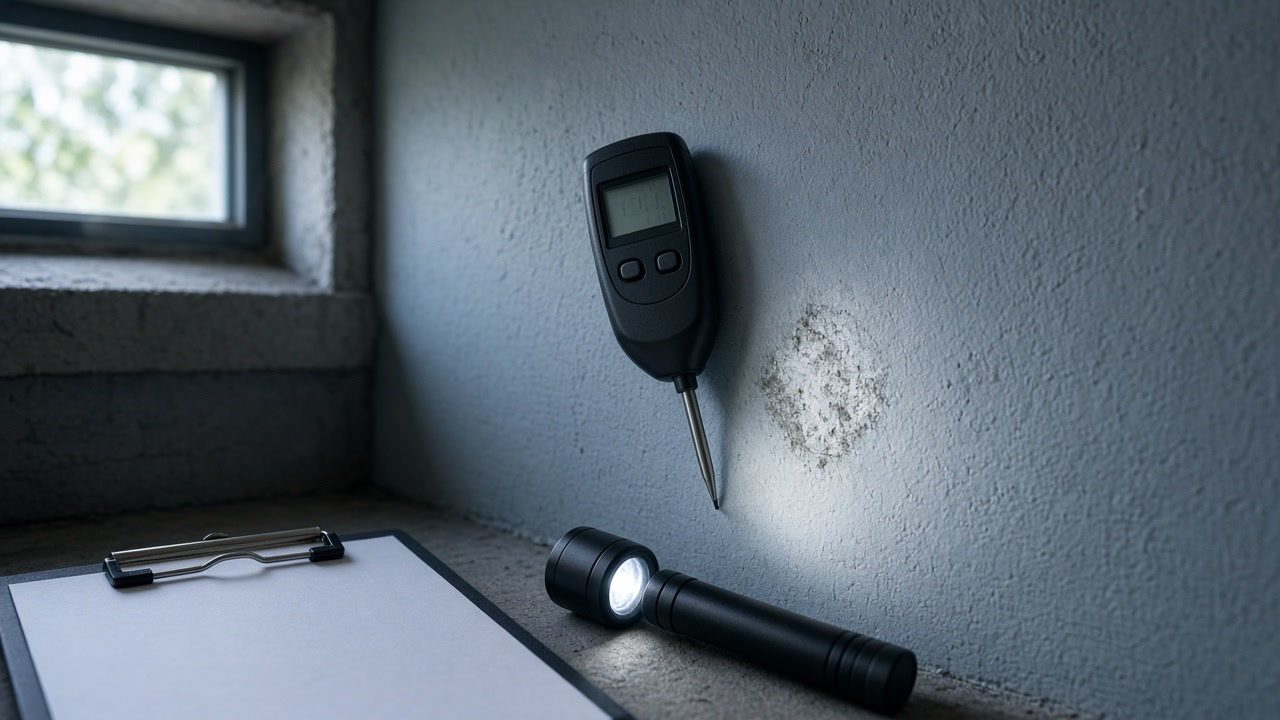
- Moisture readings in walls, floors and framing with a meter, so wet material that looks dry is found before anything is closed up
- Identifying the water source and its category: a supply line, a roof or window leak, groundwater through the slab or wall base, surface runoff, tidal or surge water, or a sewage or septic backup
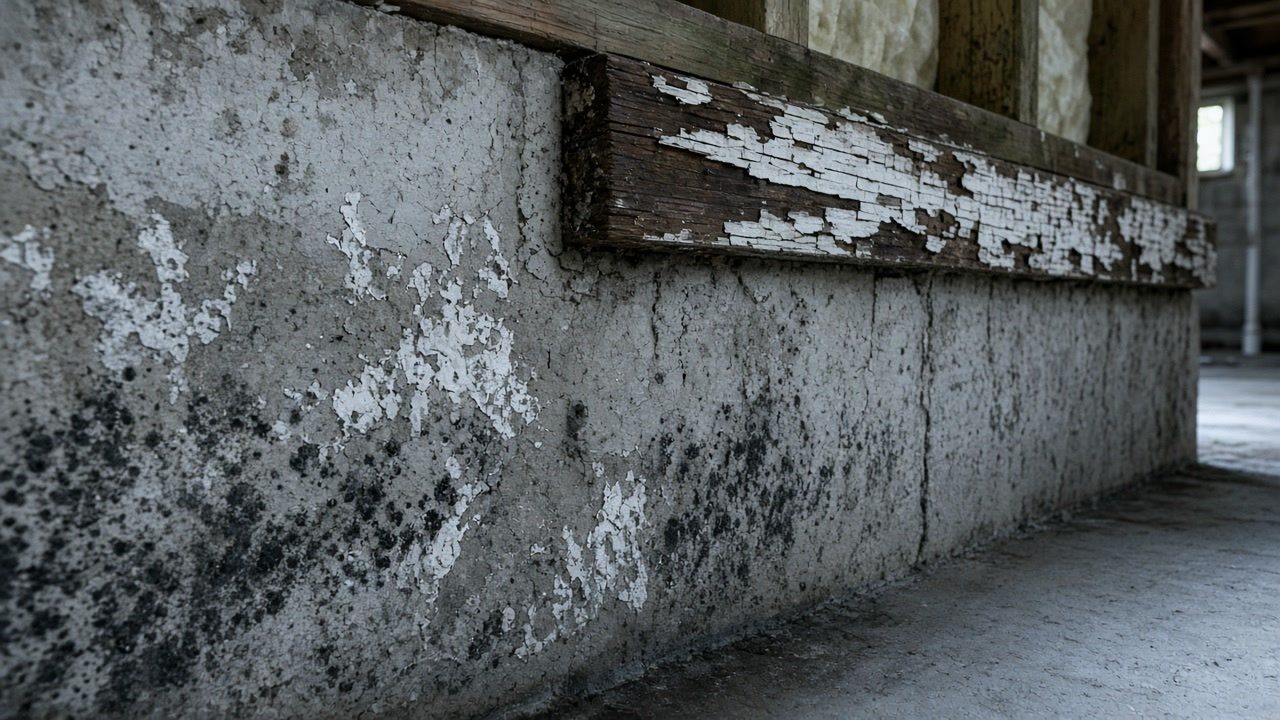
- Checking humidity and condensation in basements and crawl spaces, where damp air alone can support growth with no leak at all
- Looking at the furnace, air handler and ductwork where a flooded basement or visible growth suggests the system may be affected
- Sampling only where a result would change the plan, such as suspected growth behind a finished wall
- A written remediation plan listing the rooms, the estimated quantities of material to clean or remove, the methods, protective equipment, clearance criteria, an estimated cost and time frame, and the moisture source to fix
- Post-remediation clearance: a return visit after the removal firm finishes, with a written report on whether the work met the plan
- A pre-purchase mold and moisture inspection when a home inspector has flagged staining, odor or a damp basement
What changes the scope of a mold inspection in Westchester
No two Westchester inspections are the same size. What changes the visit is what kind of water it was, how much of the house it reached, and how easy the wet material is to get at.
What kind of water reached the house
This comes first because it decides the rest. Rising river or stream water, surge from the Sound and a septic or sewer backup all fall in the trade standard's most contaminated category; a clean pipe leak does not; and the standard's own consensus body says water from a storm is not automatically the worst category either. The assessor settles it on site, and the answer changes what the plan tells the removal firm to take out.
Where the house sits in the county
The county's hazard mitigation plan estimates that 2.6 percent of Westchester buildings stand in the mapped 1 percent annual chance flood area, from 0.1 percent in White Plains to 18.2 percent in the Village of Mamaroneck. A flood zone label speaks to river and coastal water. It says nothing about groundwater or an overloaded drain, so the inspection has to start from how the water actually got in.
How large the affected area is
Paid mold work on more than ten square feet, roughly a three by three foot patch, is a regulated project under New York Labor Law. Below that line an owner can often deal with it; above it, the written plan and the licensed firms come in.
Whether the growth is visible or hidden
Growth on an open basement wall is quick to measure. Growth suspected behind finished drywall, under flooring or inside a wall cavity takes more readings and sometimes a small inspection opening, which the assessor should explain before making one.
Whether the water is still coming in
An inspection during a live leak measures a moving target. The county health department's guidance is that the underlying cause of the moisture has to be found and fixed or growth returns, so if the source has not stopped, the source is the first finding.
How old the house is
More than a quarter of Westchester homes were built in 1939 or earlier, per the 2020 to 2024 American Community Survey. Fieldstone and block foundations, plaster walls and older framing hold and move water differently from a newer poured wall, and the plan has to account for what the house is made of.
Whether the home is on a well or septic
A backup from a septic system is sewage in the trade standard's terms. If floodwater reached the wellhead or the pressure tank, the water system is part of the picture. Neither is something a mold assessor repairs, but both change the plan, so mention them up front.
Who needs to read the report
Your own decision, a buyer, a landlord or your insurer each look for different detail. Saying so before the visit means the right rooms are measured and the report answers the question its reader will ask.
Not sure what kind of water reached the house?
Tell us where it came in and roughly where in Westchester you are. We will point you to the right first step, whether that is an inspection, a dry out or nothing at all, with no obligation.
How a Westchester mold inspection runs, start to finish
Tell us what happened and where
Use the form to describe the water: when it arrived, where it came in, whether it has stopped, what got wet and roughly when the house was built. Those are the details the trade standard lists for deciding the category of water, so having them ready shortens the visit.
We arrange a licensed assessment firm
We match the request with a New York licensed mold assessment contractor that works in your part of the county. Before the visit you can look the firm up on the state Department of Labor's public license search and confirm the status reads Active.
The walkthrough and the readings
The assessor walks the affected rooms and the spaces around them, takes moisture readings, follows the likely water path from outside and from the plumbing, and photographs what it finds.
The source and the category
The assessor decides where the moisture is coming from and what kind of water it was. This is the decision that separates a small cleaning job from a tear-out, so it is fair to ask how it was reached.
Sampling, only if it changes the answer
The state Department of Labor's own guidance is that in most cases air sampling and mold testing are unnecessary, and that there are no federal standards for mold. Sampling should answer a specific question, not happen by default.
The written report and plan
You receive a written report and, if removal is needed, a remediation plan listing the areas, quantities, methods, protective equipment, clearance criteria, an estimated cost and time frame, and the moisture source to fix. Every removal bid gets measured against that plan.
Clearance after any removal
When a separate remediation firm has finished, a licensed assessor returns for the post-remediation assessment and issues a written clearance or final status report. Keep the walls open and hold the final payment until you have it.
What mold inspection looks like
What a mold inspection in Westchester leaves to others
When you may not need this at all
- If the patch is smaller than about ten square feet, came from a clean source such as a shower or a window, and the material under it is sound, you can usually clean it yourself. New York exempts owners working on their own home, and EPA says jobs of that size are in most cases ones a homeowner can handle.
- If the growth is plainly visible and its cause is obvious, a lab test rarely changes the plan. The state Department of Labor says testing is unnecessary in most cases, so think twice before paying to identify the species because the growth looks black.
- If the basement smells musty but nothing has ever leaked, start with a humidity meter. EPA advises keeping indoor humidity below 60 percent, and a dehumidifier may be the whole answer.
- If the water arrived in the last day or two and has stopped, drying comes before an inspection. EPA says materials dried within 24 to 48 hours in most cases do not grow mold, so look at the drying service first.
- If you rent, the landlord is the first person to approach and your local building department is the next. The Westchester County Department of Health does not inspect residential mold.
What is out of scope
- The removal itself. Under New York Labor Law section 936 the licensee that assesses a property may not also remediate it, and nobody may own an interest in both firms on the same property. The report comes from one company and the removal from another.
- Repairing the water source, such as roofing, plumbing, gutters, grading or waterproofing. The report names the source; a contractor in that trade fixes it.
- Medical advice. Questions about symptoms, or about an infant, an older relative or anyone with asthma in the house, belong with a doctor.
- Well water testing and septic inspection or repair, which go to a laboratory on the county's registered list and a county licensed septic contractor.
- Asbestos and lead paint testing, which are separate specialties. The report can flag where older materials may be disturbed during removal.
- Pricing the removal. The plan carries the assessor's estimate as the law requires, but the price you pay comes from the remediation firm that bids against it.
- Insurance claims. We do not file, handle or negotiate claims; the report is yours to share with your insurer if you choose.
Mold inspections arranged from the Sound Shore to northern Westchester
- Mold Inspection in Rye
- Mold Inspection in Mamaroneck
- Mold Inspection in Port Chester
- Mold Inspection in New Rochelle
- Mold Inspection in Pelham
- Mold Inspection in White Plains
- Mold Inspection in Elmsford
- Mold Inspection in Tarrytown
- Mold Inspection in Ossining
- Mold Inspection in Croton-on-Hudson
- Mold Inspection in Peekskill
- Mold Inspection in Yorktown
- Mold Inspection in Mount Kisco
- Mold Inspection in Bedford
Questions Westchester owners ask before booking a mold inspection
Why does it matter what kind of water it was?
Because it sets how much has to come out. The restoration trade's water damage standard treats rising river or stream water, seawater and sewage as its most contaminated category, where affected porous materials are removed before drying rather than dried in place. A clean pipe leak is a much smaller job. The assessor makes that call on site, from what it finds and what you tell it.
We are not in a flood zone. Why is the basement wet?
Most Westchester buildings are not in one. The county's hazard plan estimates 2.6 percent sit in the mapped 1 percent flood area, and the same plan notes that groundwater can wet a basement with no surface flooding at all. The zone label answers a narrower question than the one in your basement.
If one firm finds the mold, may that same firm be hired to take it out?
Not on the same property in New York. Section 936 of the Labor Law bars one licensee from doing both and bars shared ownership of the two firms. Some companies hold both licenses; what they may not do is use both on your house.
Do I need air testing?
Often not. The New York State Department of Labor says that in most cases air sampling and mold testing are unnecessary, and there are no federal standards for mold to test against. Testing earns its place when it answers a question the walkthrough cannot, such as growth suspected behind a finished wall.
Won't the county health department come and look?
No. The Westchester County Department of Health publishes guidance on mold but directs housing complaints to the local building department and to licensed professionals. Owners hire a licensed assessor; renters start with the landlord.
How do I check the assessor's license?
Search the exact company name on the New York State Department of Labor's Licensed Mold Contractors Search Tool and confirm the status reads Active. Under section 931 a copy of the license also has to be displayed at the work site on a mold project.
Does it cost anything to send a request?
No. Sending the form is free and carries no obligation. The assessment firm sets its own fee, and you can agree it before anything is booked.
Get the inspection that decides the scope
Describe the room, the water and when it happened. We pass it to a licensed assessment firm that works in your area, and nothing is booked until you agree.