Mold Inspection, Removal and Water Damage Drying in Westchester
The split follows New York law and the clock. An assessment is a licensed finding of what the water was, what it reached and what has to happen next, and the state keeps the firm that writes it apart from the firm that does the removal. Remediation is that removal, done to the written plan. Drying is the job that is still available while things are wet: caught within a day or two, clean water often needs nothing more.
What we arrange
Mold Inspection and Assessment
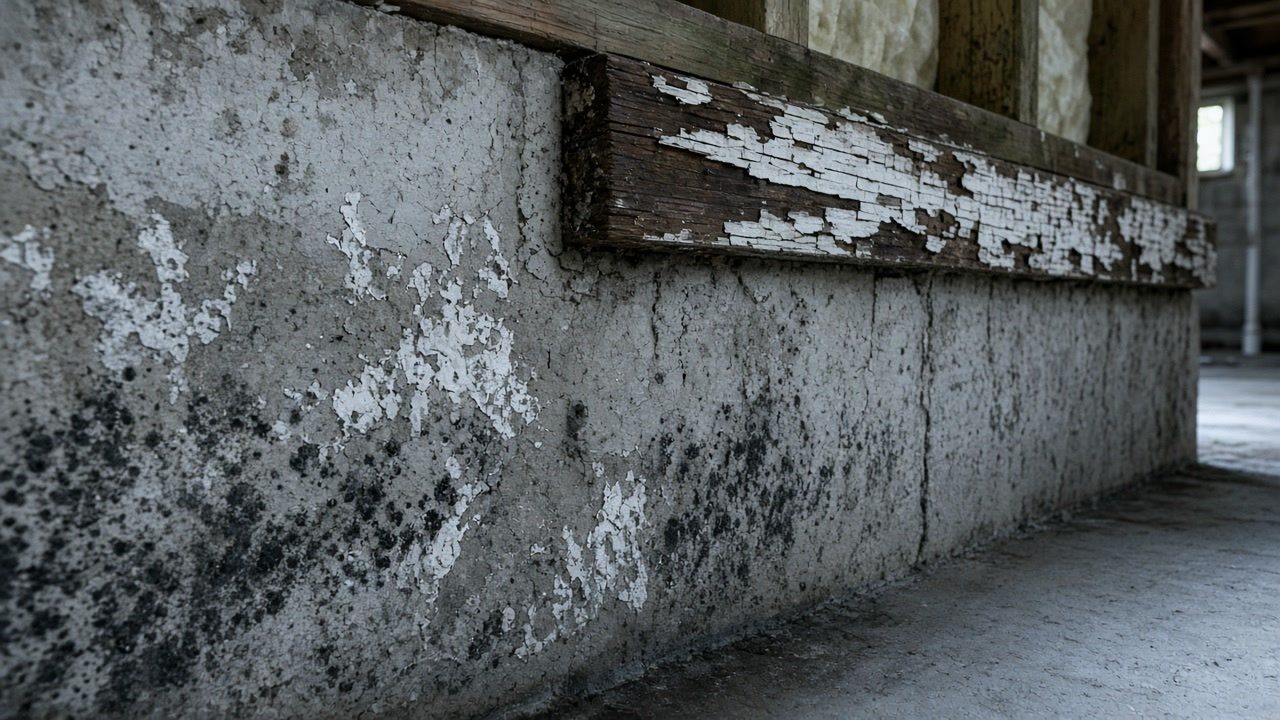
You get a written answer to the questions that decide everything after it: where the growth is, what it is growing on, where the moisture is coming from, and what kind of water reached the house in the first place. That last question matters more than most people expect. The water damage standard the restoration trade works to puts seawater, rising river or stream water and sewage in its most contaminated category, while a clean supply line leak is not in it, and the category is settled on inspection rather than assumed from the weather. In a county with the Hudson on one side, Long Island Sound on the other and private septic systems in parts of the north, two basements that got wet in the same storm can need very different work. The assessment is carried out by a New York licensed mold assessment firm, which writes the plan any removal has to follow. It is a different company from the one that would do the removal, and that separation is what makes the report worth reading. We arrange the visit with the licensed firm; we do not carry out assessment or removal ourselves.
Read more →Mold Remediation and Removal
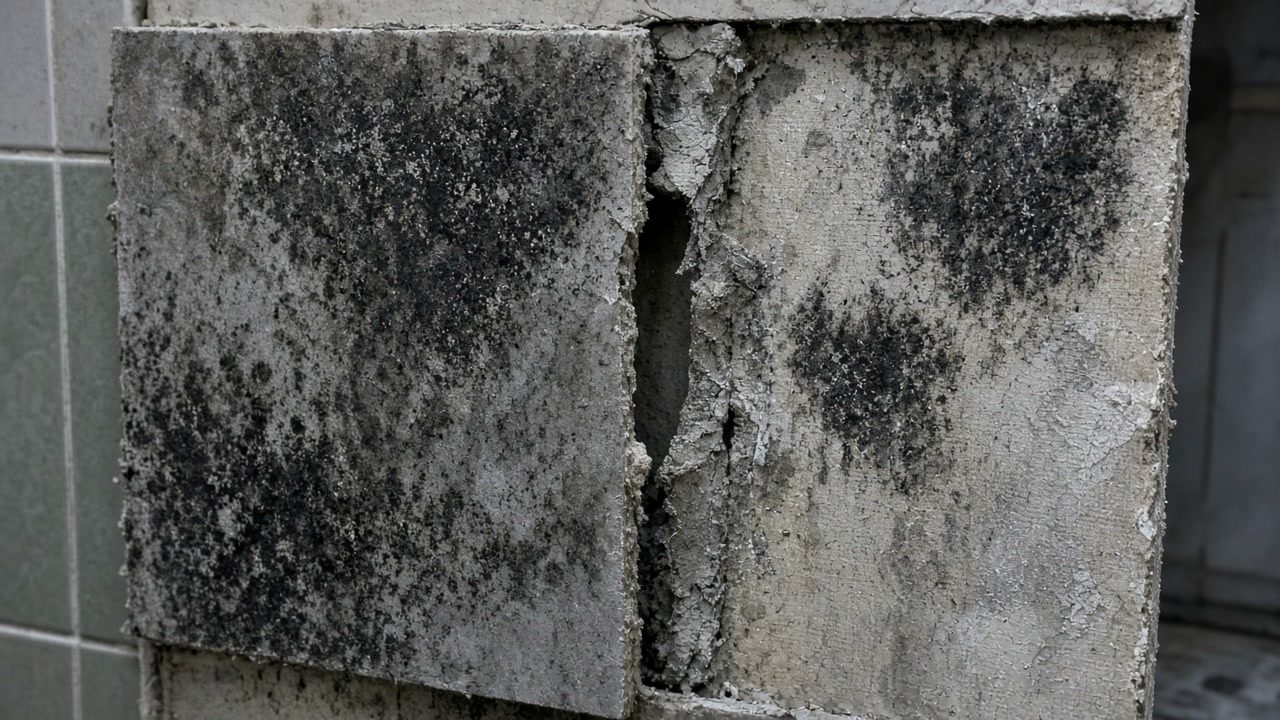
Remediation is the removal: sealing off the work area, taking out or cleaning the affected material, cleaning what stays, and leaving the space ready for an independent clearance check. On anything over ten square feet in New York it is carried out by a licensed remediation firm working to a written plan from a separate, separately owned assessment firm, and that plan protects you. It sets the rooms, the quantities, the methods and the clearance criteria, so a bid that takes out far more or far less than the plan calls for stands out. What the plan asks for depends heavily on what kind of water caused the growth. After river water, surge from the Sound or a septic backup, the trade standard says contaminated porous materials come out before any drying starts, with contamination controls in place; after a clean leak, much less may need to go. We arrange the licensed remediation firm and the work is theirs, carried out to someone else's plan and checked by someone else at the end.
Read more →Water Damage Drying and Dry Out
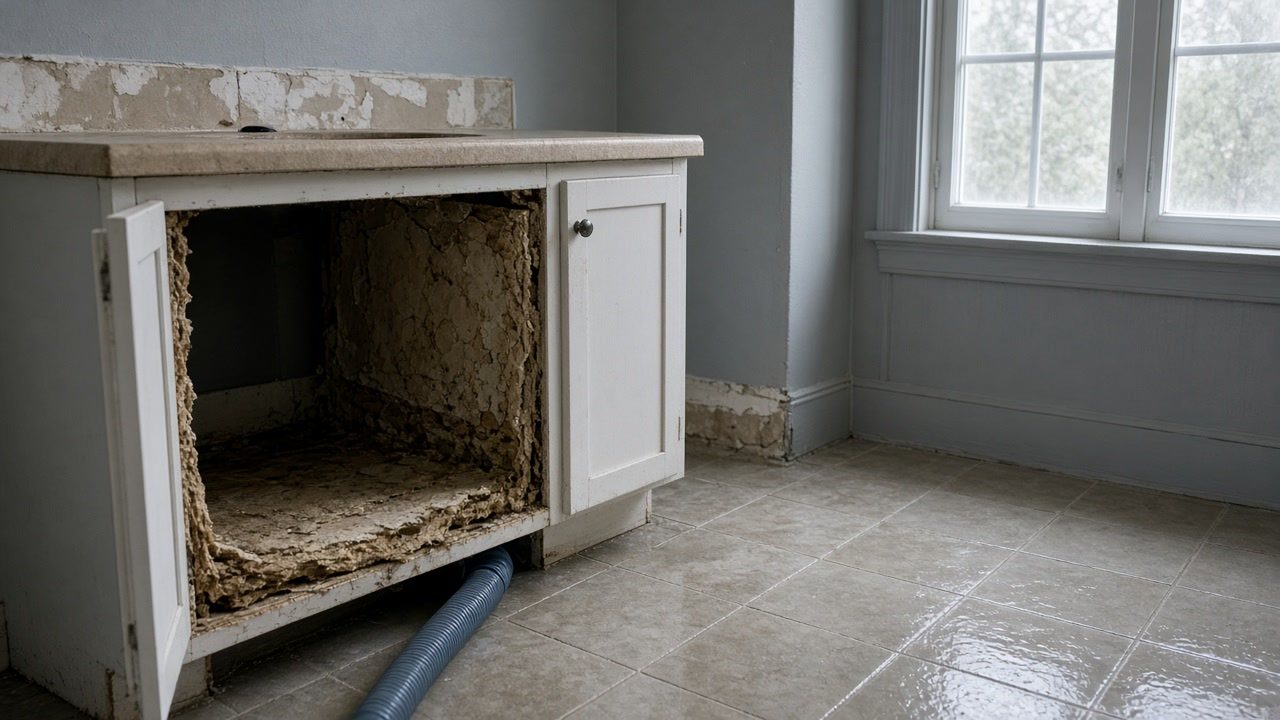
Drying is about the first two days. EPA's guidance is that when wet materials are dried within 24 to 48 hours, in most cases mold will not grow, so the aim is to stop the water, get it out and bring the structure back to dry before anything starts. A drying crew extracts standing water, measures how far moisture has moved into walls and floors, and runs air movers and dehumidifiers until readings come back to normal. The kind of water decides the order. A clean supply line leak can usually be dried in place. Water that rose from a river or stream, came in on a surge, or backed up from a sewer or septic system is a different job: the trade standard says affected porous materials come out first, with contamination controls, and drying follows. In Westchester, which of those you are dealing with depends a good deal on where the house sits. We arrange a water restoration firm suited to the kind of water you have.
Read more →The equipment these jobs actually arrive with
Not sure which one you need?
Describe the problem and we will point you to the right work.
Request a Quote
Tell us the town, how the water got in, and how long it has been wet. Those three answers tell us what kind of water this was, and in Westchester the kind of water decides most of what the job involves.
Would you rather talk it through? Call (315) 640-3590.
$100 off your first job
Credited by us on your first booked job.
- One credit per customer per property, on your first booked job.
- Valid through December 31, 2026.
Mention this offer when you book. Full terms.
Tell us what you are seeing
Tell us what you are dealing with and we will take it from there.