Mold Inspection in Elmsford When the Saw Mill Has Been In
A licensed assessor confirms in writing whether river water reached your Elmsford home and draws the line the removal firm has to work to.
Mold Inspection quote in Elmsford
Tell us the town, how the water got in, and how long it has been wet. Those three answers tell us what kind of water this was, and in Westchester the kind of water decides most of what the job involves.
Would you rather talk it through? Call (315) 640-3590.
$100 off your first job
Credited by us on your first booked job.
- One credit per customer per property, on your first booked job.
- Valid through December 31, 2026.
Mention this offer when you book. Full terms.
Elmsford's flood exposure and who lives in the village
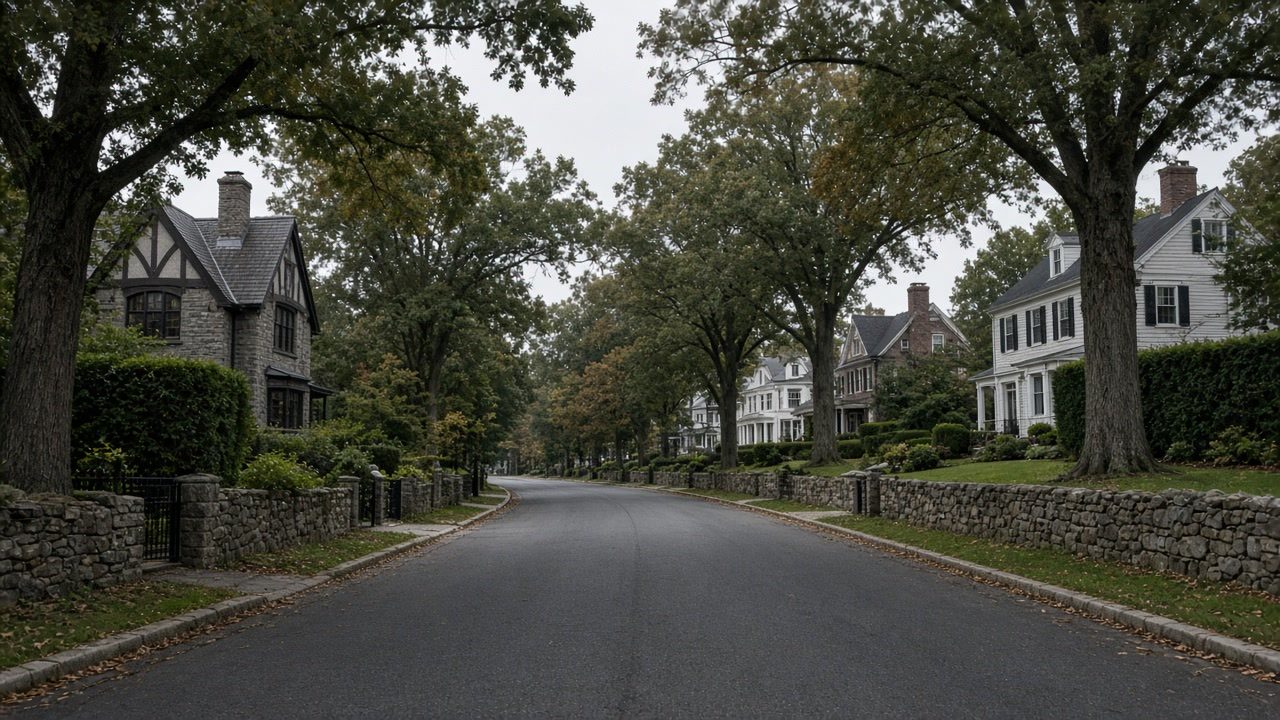
The county plan estimates 47 of Elmsford's 1,358 buildings, 3.5 percent, are in the mapped 1 percent annual chance flood area, carrying 10.9 percent of the village's replacement cost value.
Source: Westchester County Department of Planning, 2021 Westchester County Countywide Hazard Mitigation Plan, Section 5.4.3 Flood, Table 5.3.2-6, accessed 2026-09-23
In the 2020-2024 American Community Survey, Elmsford has 1,753 housing units; 31.4 percent were built in 1939 or earlier and 72.0 percent before 1980, and 54.4 percent of occupied units are owner occupied.
Source: U.S. Census Bureau, American Community Survey 2020-2024 5-year estimates, table B25034 Year Structure Built, accessed 2026-09-23
Under Chapter 581 of the Laws of Westchester County, in effect from August 15, 2022, a Flood History Disclosure Form must be completed and presented to each prospective tenant of residential and commercial leaseholds and sublets in the county. The form asks whether the property is in a Special Flood Hazard Area, whether it has flooded within the past ten years, a description of flood events and damage including "the approximate height the water reached", and any efforts to reduce flood risk.
Source: Westchester County Department of Planning, Flood History Disclosure Form (Chapter 581), accessed 2026-09-23
What an Elmsford assessor has to establish
An Elmsford inspection has one job before any other: establish whether the water that reached the house rose from the Saw Mill River or arrived some other way, because rising river water is the trade's most contaminated class and that single finding sets the plan. The assessor records the height and the materials it reached, maps the moisture beyond the visible line and writes the scope. FEMA shows 253 paid flood claims in Elmsford, a village of 1,358 buildings, so a river event in the house's past is worth asking a seller or landlord about.
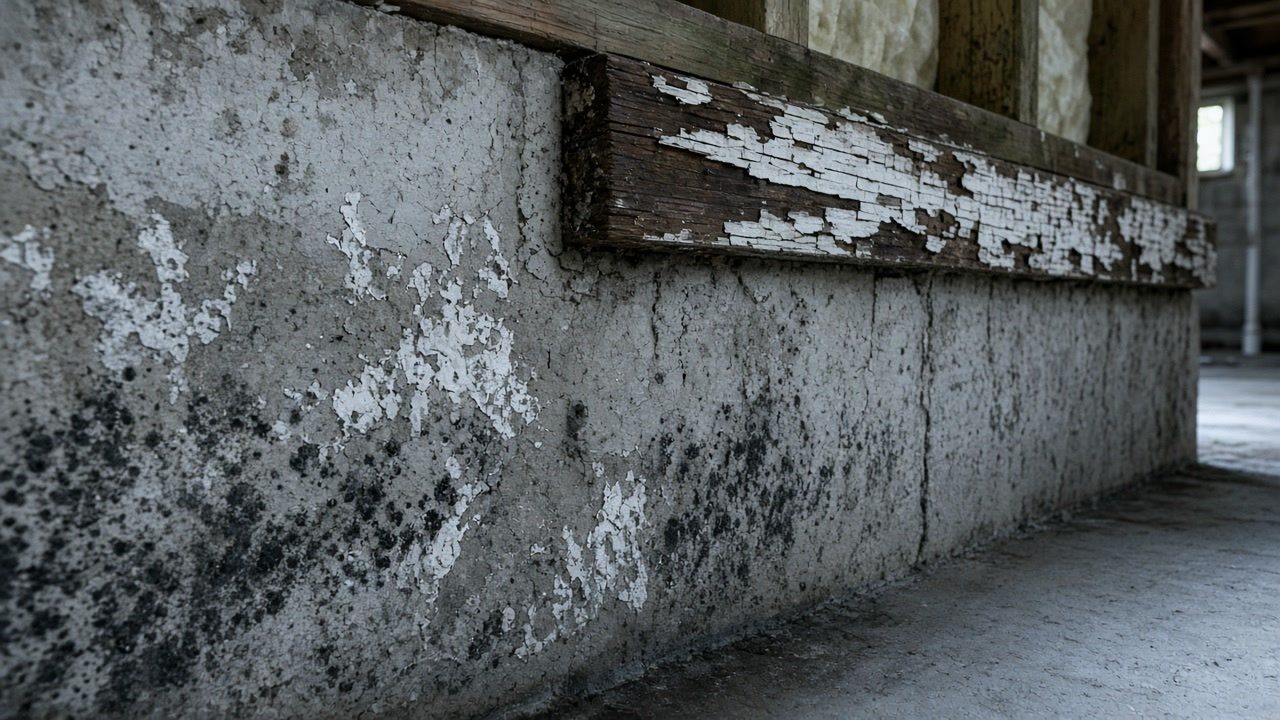
Elmsford: deciding when to call an assessor
Call one when water came in from outside and reached anything porous, when you are unsure whether it was the river or heavy rain, or when you rent and need the condition put in writing for the owner. Close to half of village households rent. You do not need one for a leak under the sink caught within hours; dry it and watch it. The mistake to avoid is trusting the zone line, because almost half of Elmsford's paid claims were rated outside the high risk zones.
River or rain
The two can arrive in the same storm. Tell the assessor whether the water rose from outside or came through the walls and windows.
Mark the height
A photograph of the water line on each wall lets the plan set the cut line from evidence instead of guesswork.
Renting in the village
Send the landlord a dated note and ask for the report to be shared. A tenant signing a new lease can ask for the county flood history form.
Did the Saw Mill reach the house?
Tell us how high the water came and when. We will arrange a licensed assessor for the Elmsford address, with no obligation.
Removal and drying for the Elmsford house
Elmsford questions about assessing river water damage
The house is outside the flood zone. Could it still have been river water?
Yes. The Village told the county that flood damage matches the flood zone, but FEMA's records show about 47 percent of Elmsford's paid claims with a recorded zone were rated outside the high risk zones. The assessor judges the water, not the map.
Will the assessor test the water?
Usually not. The category comes from where the water came from and what it touched, which is what the assessor records. The state Department of Labor says mold testing is unnecessary in most cases as well.
Send the Elmsford address and what the water did
A person reads it and replies with the next step, whether that is an assessor, a dry out or nothing at all.