Mold Inspection in Rye: Was It Seawater in the Basement?
A licensed assessor tells you in writing whether the water in your Rye lower level came from the Sound, and that one finding sets how much of the room has to come out.
Mold Inspection quote in Rye
Tell us the town, how the water got in, and how long it has been wet. Those three answers tell us what kind of water this was, and in Westchester the kind of water decides most of what the job involves.
Would you rather talk it through? Call (315) 640-3590.
$100 off your first job
Credited by us on your first booked job.
- One credit per customer per property, on your first booked job.
- Valid through December 31, 2026.
Mention this offer when you book. Full terms.
The Rye surge count behind this inspection
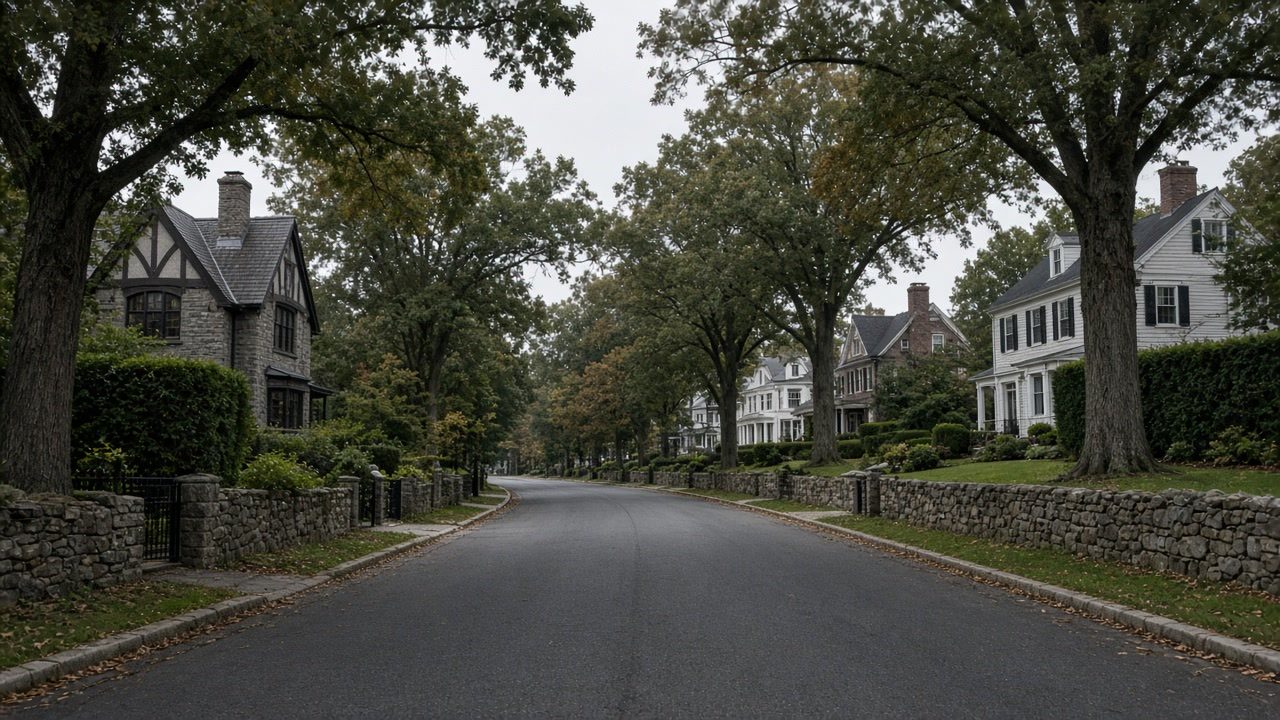
The county plan estimates 773 of the City of Rye's 5,632 buildings, 13.7 percent, are in the mapped 1 percent annual chance flood area, and 363 buildings, 6.4 percent, are in the SLOSH Category 1 storm surge area, the most of any Westchester municipality in that category.
Source: Westchester County Department of Planning, 2021 Westchester County Countywide Hazard Mitigation Plan, Section 5.4.3 Flood, Table 5.3.2-6, accessed 2026-09-23
The S500 text quoted by the consensus body lists information a restorer gathers to decide the category of water, including the "source, date, and time of water intrusion", the "status of water source control", "history of previous water damage", "types of materials affected" and "age of structure".
Source: ANSI/IICRC S500 Consensus Body, Position Statement: Category of Water Damage and Weather-related Events, March 16, 2026 (citing ANSI/IICRC S500, 5th Edition, 2021), accessed 2026-09-23
Naming the water in a Rye lower level
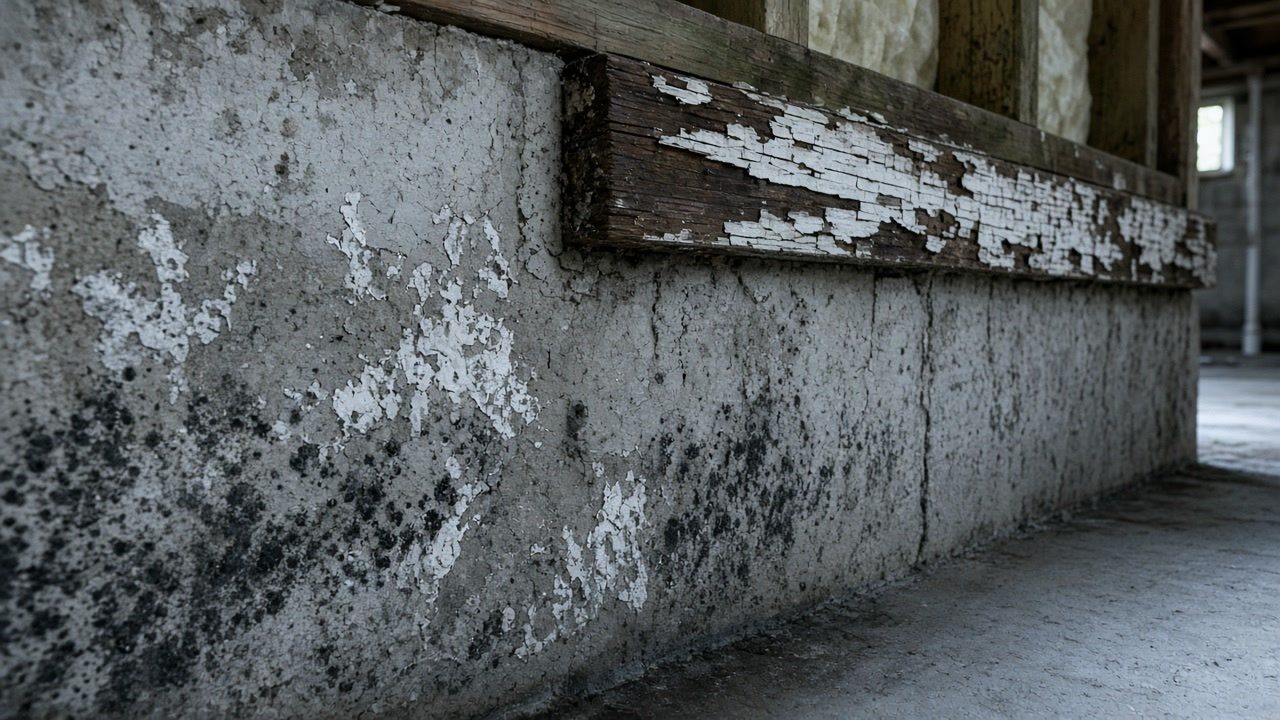
What you get from a Rye inspection is a written answer to the question every later decision rests on: was this seawater, or something cleaner that only looks the same once it has drained away. The assessor records where the water entered, how high it rose, what it soaked and where moisture is still sitting in the walls, then writes the plan a separate removal firm has to follow. That matters more here than almost anywhere in the county, because the county plan counts 363 City of Rye buildings in the Category 1 storm surge area, the most of any Westchester municipality.
What to have ready before a Rye assessor arrives
Before you book, work out what you actually know about the water, because the assessor will ask and a guess costs you. The trade standard lists the source, date and time of the intrusion, whether the source is under control and any previous water damage among the details a restorer uses to set the category. In Rye that last one is often the gap: a house near the Sound may have taken water before you owned it. If the patch is small, came from a window or a shower and nothing from outside reached the room, you may not need an assessor at all.
Date, time and tide
Note when the water arrived and whether a storm was pushing the Sound at the time. It is the quickest way to tell surge from a burst line.
The high water mark
Photograph the line on the walls before anyone cleans. Its height decides how far up the drywall and insulation the plan reaches.
Earlier water you know about
A seller's disclosure, an old repair invoice or a neighbor's memory of the last storm all count. Give the assessor whatever history exists.
Was the Sound running high when it came in?
Tell us the date and how high the water rose. We will line up a licensed assessor for the Rye address, with no obligation.
Removal and drying for the same Rye house
Rye owners ask about inspection after the Sound comes in
The water drained out overnight. Does the assessor still need to come?
If it came in from the Sound, yes. Seawater is graded as the trade's most contaminated class whether or not it is still standing, and the soaked material behind the baseboards is where growth starts. The report tells you how much of it has to go.
Will the inspection tell me whether my house is in the surge area?
The assessor reports on the building, not the map. For the zone, check the current FEMA map for the address. What the report adds is what the water actually did inside this particular house.
Send the Rye lower level details
A person reads it and replies. If the facts point to a clean leak you can dry yourself, you will hear that before anyone is booked.