Westchester County, from the Hudson to Long Island Sound
Mold Removal in Westchester, Starting With What Kind of Water Got In
Tell us the town, how the water got in and how long it sat, and a person works out which licensed trade your house needs first, or tells you it needs nobody. Westchester takes water from two tidal coasts, from brooks in its valleys, from groundwater under old foundations and from septic lines in the north, and the water damage trade grades water that rose from a river, the sea or a sewer as its most contaminated kind. That grade, far more than the size of the stain, decides whether soaked material can be dried where it stands or has to be cut out.
Request a Quote
Tell us the town, how the water got in, and how long it has been wet. Those three answers tell us what kind of water this was, and in Westchester the kind of water decides most of what the job involves.
Would you rather talk it through? Call (315) 640-3590.
$100 off your first job
Credited by us on your first booked job.
- One credit per customer per property, on your first booked job.
- Valid through December 31, 2026.
Mention this offer when you book. Full terms.
Three separate jobs, and the water decides which comes first
The split follows New York law and the clock. An assessment is a licensed finding of what the water was, what it reached and what has to happen next, and the state keeps the firm that writes it apart from the firm that does the removal. Remediation is that removal, done to the written plan. Drying is the job that is still available while things are wet: caught within a day or two, clean water often needs nothing more.
Mold Inspection and Assessment
Find out in writing what kind of water reached your Westchester home, how far into the building it got, and whether there is a mold job to do at all.
Start here if you can see or smell mold, or water got into the house, and nobody independent has yet said what it was or how far it went.
About Mold Inspection →Mold Remediation and Removal
Get the mold in your Westchester home removed by a licensed firm working to an independent assessor's written plan, with the moisture source named so the work is not undone.
Start here if a licensed assessor has already written a plan, or the growth clearly covers more than about ten square feet.
About Mold Remediation →Water Damage Drying and Dry Out
Get a wet basement or room in your Westchester home dried properly before mold has a chance to start, in the order the kind of water calls for.
Start here if water got in within the last few days, or keeps getting in, and nothing is growing yet.
About Water Damage Drying →Find out what kind of job you actually have
Describe the water and the house. We will tell you whether this calls for an assessment, removal, drying, or nothing at all.
How a Westchester job runs, from first message to sign off
Three stages, and the first one is yours: the more you can say about where the water came from, the less anyone has to guess later.
Describe the water, the town and the timing
The form asks where the house sits, where the water came from, how long it has been wet and what was in the space, then takes your address and ZIP code. A person reads it before anyone is booked, and a job that needs nobody is answered that way.
A licensed assessor decides what kind of water it was
The trade standard has the inspecting professional weigh the source, the date and time the water arrived, whether it has been stopped, what materials it reached and how old the building is, then set the category. The written plan that follows lists the rooms, the materials and the quantities, and it is yours before any wall is opened.
A separate firm does the removal or the drying
The remediation contractor works to that written plan, not to its own view of the job, and an assessment licensee, never the firm that did the removal, checks the result. Where the water was clean and caught early, drying may be the whole job and nothing needs to come out.
What makes this a local problem
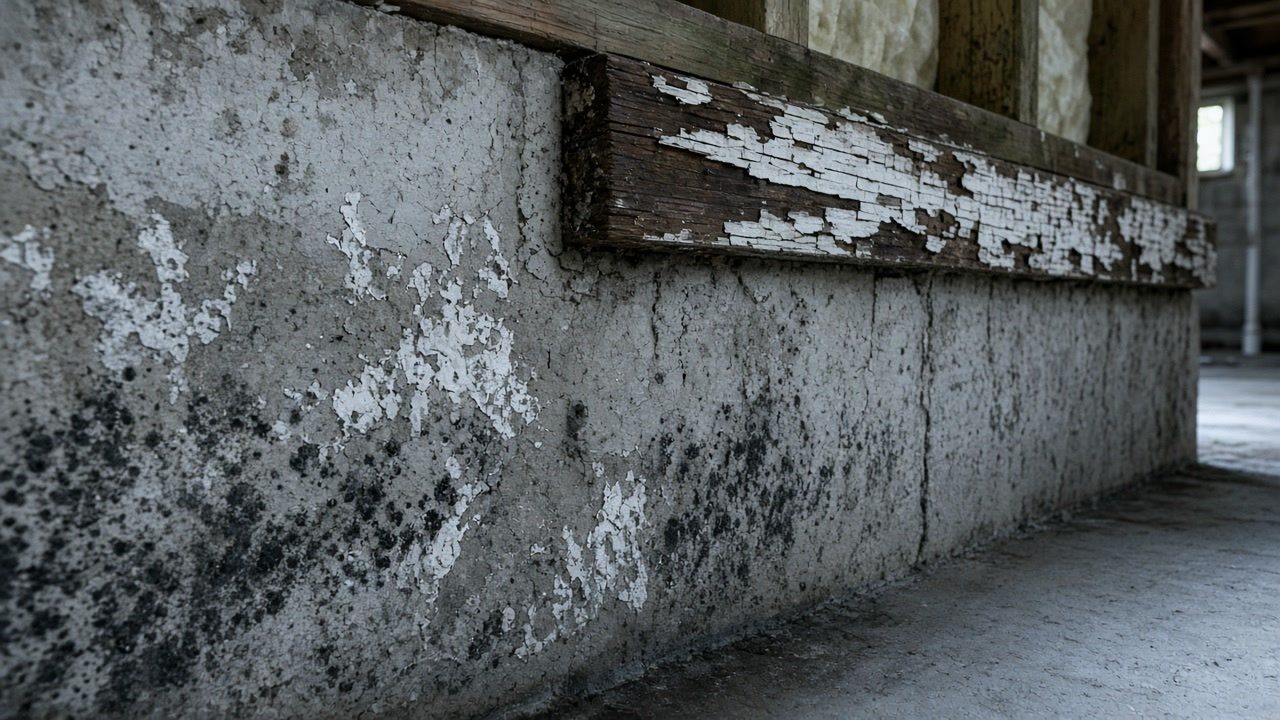
The ANSI/IICRC S500 water damage standard, as quoted by its consensus body, defines Category 3 water as "grossly contaminated" water that "can contain pathogenic, toxigenic or other harmful agents", with examples that include "sewage; waste line backflows that originate from beyond any trap regardless of visible content or color; all forms of flooding from seawater; rising water from rivers or streams".
Source: ANSI/IICRC S500 Consensus Body, Position Statement: Category of Water Damage and Weather-related Events, March 16, 2026 (citing ANSI/IICRC S500, 5th Edition, 2021), accessed 2026-09-23
The same flood profile, citing FEMA, states: "High groundwater levels can be a concern and cause problems even where there is no surface flooding. Basements are susceptible to high groundwater levels." It adds that seasonally high groundwater is common in many areas, while elsewhere it occurs only after a long period of above-average precipitation.
Source: Westchester County Department of Planning, 2021 Westchester County Countywide Hazard Mitigation Plan, Section 5.4.3 Flood, accessed 2026-09-23
Across Westchester's towns and cities in the 2020-2024 American Community Survey, the share of housing built in 1939 or earlier runs from 64.8 percent in the Town of Pelham, 46.4 percent in the Town of Mamaroneck and 33.8 percent in Mount Vernon in the south to 12.3 percent in North Castle, 9.0 percent in Yorktown and 8.3 percent in Somers in the north.
Source: U.S. Census Bureau, American Community Survey 2020-2024 5-year estimates, table B25034 Year Structure Built, county subdivisions of Westchester County, accessed 2026-09-23
The Westchester County Department of Health says that although it publishes information about mold, radon and bedbugs, those and other housing complaints should go to the local building department and to licensed professionals, and that "Residents who rent their homes should first approach their landlord with their concerns."
Source: Westchester County Department of Health, Healthy Homes, accessed 2026-09-23
Same county, same storm, very different jobs
Two basements can look identical the morning after a storm and need completely different work. One took seawater pushed in by the Sound, another took a brook that came over its banks, a third took groundwater seeping up through the floor, and a fourth took rain through a window well. The water damage trade's own standard counts flooding from seawater and rising water from rivers or streams among its most contaminated examples, alongside sewage, while rain coming in from above is not automatically placed there.
The flood map will not sort that out for you. The county's 2021 hazard plan says outright that FEMA maps riverine and coastal flooding but not urban flooding, and that basements take high groundwater even where there is no surface flooding at all. A house outside every mapped zone can still take water that changes the job.
So the useful first step is not a price or a test. It is a clear account of the water: where it came in, whether it rose from outside or came down from above, whether a drain or a septic line was involved, and how long things stayed wet. With that, a licensed assessor can set the scope, and in many cases the answer turns out to be drying rather than removal.
What a county-wide booking service does differently
One place for both shores and the north
The county's own hazard plan names the Hudson and Long Island Sound as tidal shorelines that flood in nor'easters and coastal storms, while the northern towns sit inland on streams, wells and septic. We book for all of it, so the question is always which of those waters reached your house.
A roof leak is not treated like a flood
In March 2026 the trade's standard setters said rain coming in from above and water from weather events are not automatically the most contaminated category. Water that came down a wall and water that rose out of a brook are different jobs, and we will not book the bigger one for the smaller problem.
No tests you do not need
The New York State Department of Labor says that in most cases air sampling and mold testing are unnecessary, because there is no federal standard to measure a result against. If what you describe calls for a look and a moisture reading rather than a lab report, you will hear that.
Straight answers about who else to ask
The Westchester County Department of Health does not take residential mold complaints; it sends them to the local building department, and asks renters to go to their landlord first. We tell you that at the start, so nobody waits on a county inspection that will not come.
Coverage across Westchester County, from the Hudson to Long Island Sound
Honest answers before you send anything
There is a small spot on the bathroom ceiling. Do I need to hire anyone?
Most likely not. The EPA says that for a moldy area under about ten square feet, in most cases you can handle the job yourself, and New York only treats mold work as a licensed project above that size. A residential owner working on their own home is outside the licensing rules altogether. What matters more is the moisture behind it: the county health department's advice is that the cause has to be found and fixed or the growth will come back. Fix the fan or the leak, clean the surface, and keep your money.
The basement got wet in a storm but we had it dry within a day. Is that a mold job?
Usually it is not. EPA guidance is that material dried within 24 to 48 hours of a leak or spill will in most cases not grow mold. Keep the space below 60 percent relative humidity with a dehumidifier and watch it for a few weeks. The one exception worth taking seriously is water that rose in from outside, from a brook, the Sound or a drain that backed up, because the trade treats that water as contaminated whatever the timing, and the EPA says contaminated water is a job for a professional.
Should I start with an air test?
In most cases, no. The New York State Department of Labor says air sampling and mold testing are usually unnecessary, and that there are no EPA or federal standards for mold, so a lab number has nothing official to be measured against. What sets the scope of a job is where the water came from, what it reached and how long it stayed, and an assessor can usually establish that by looking and measuring moisture.
The house is outside any flood zone, so why did the basement take water?
Because most of the water that reaches Westchester basements is not on the map. The county's own plan puts only about 2.6 percent of its buildings inside the mapped 1 percent annual chance flood area, says FEMA does not map urban flooding, and notes that basements can take high groundwater with no surface flooding at all. A zone letter tells you about insurance rating, not about what came through your wall.
Does it matter whether the water came from a pipe, the rain or a brook?
It matters more than anything else about the job. Clean water from a burst supply line caught early can often be dried in place. Water that rose from a river, a stream or the sea, or backed up from a sewer or septic line, is graded by the trade's standard as grossly contaminated, and porous material it soaked usually has to come out rather than be dried. Tell us the source as well as you can, and say so if you are not sure.
Will the county health department come and inspect it?
No. The Westchester County Department of Health publishes guidance on mold but sends housing complaints, mold included, to the local building department and to licensed professionals, and asks renters to raise it with their landlord first. If your concern is about the work itself, the New York State Department of Labor takes complaints about mold contractors and lets you look up any license before you hire.
Send the details and a person will read them
No obligation, and your number never goes on a call list.