Who in Westchester Government Actually Handles Mold
Not the county health department. The Westchester County Department of Health publishes guidance on mold but directs housing complaints to your local building department, and the office that licenses mold contractors and investigates complaints about them is the New York State Department of Labor.
Already know you need someone out? Call (315) 640-3590.
Who to contact, and in what order
Your landlord, if you rent
You, in writingThe county health department tells renters to approach the landlord first.
Your local building department
Your city, town or villageThe county health department refers housing complaints here. In a village, it is usually the village's department.
The state license search
New York State Department of LaborLook up any mold assessor or remediator before they start. Complaints go to the same department.
The county home improvement license
Westchester County Department of Consumer ProtectionCheck whoever rebuilds after clearance. Homes built before 1978 also need a lead-safe firm under EPA's rule.
Most mold questions end at the first or second step. The later steps are for when work is actually being done.
Which office does what
Knowing the right office saves you a week of being passed along. The county health department educates; it does not inspect or regulate mold in homes. In its own words, it publishes information on mold, radon and bedbugs, but those and other housing complaints should go to the local building department and to licensed professionals. The building department handles the condition of the building. The state Department of Labor licenses mold assessment and remediation contractors and takes complaints about them. The county Department of Consumer Protection licenses the home improvement contractors who rebuild afterward.
Finding your building department, which may not be your town's
Westchester's local government is layered, and the building department that covers you depends on whether you live in a city, a town or a village inside a town. The county's Department of Consumer Protection lists separate departments for places such as White Plains, New Rochelle, Mount Vernon, Port Chester, Peekskill, Tarrytown and Yorktown, and a joint Town and Village department for Ossining. The Town of Greenburgh contains six villages with their own governments. The Town of Rye, by its own account, has no building authority and relies on its villages, which include Port Chester. Check your tax bill for the village or city name before you call.
If you rent
About 38 percent of Westchester's occupied homes are rented, per the 2020 to 2024 American Community Survey, and the county health department's advice to renters is to approach the landlord first. Put it in writing and keep a copy. If that does not work, the local building department is the next step. Renters in this county also have a document worth asking for: since August 15, 2022, Chapter 581 of the county's laws has required landlords to give each prospective tenant a Flood History Disclosure Form covering whether the property has flooded in the past ten years and how high the water reached.
Checking a mold contractor before anyone starts
You never have to take a contractor's word for their license. The state Department of Labor runs a public Licensed Mold Contractors Search Tool, and it accepts mold complaints by online form, after which an inspector from the district serving the county investigates. Under Labor Law 931 it is unlawful to perform or even advertise mold assessment or remediation without the matching license, and a copy of that license has to be displayed at the work site. Labor Law 932 requires license holders to carry liability insurance of at least fifty thousand dollars. Every firm we arrange is licensed for its half of the job, and you can look each one up yourself.
The rebuild has its own license, and older homes add a federal rule
Once the mold work is cleared, putting the room back together is home improvement, and the county Department of Consumer Protection states that Westchester law requires home improvement contractors to hold a county license. It keeps a list of licensed contractors and a list of renegade renovators to avoid. The age of the house matters too. About 76 percent of Westchester's homes were built before 1980, and EPA's Renovation, Repair and Painting Rule requires paid work that disturbs paint in a home built before 1978 to be done by people holding EPA lead-safe credentials and following lead-safe work practices.
What the health department does tell you, and why it is reassuring
The county's mold guidance is worth reading before you panic. It says that despite media reports linking black mold to rare conditions such as pulmonary hemorrhage and memory loss, there is no definitive scientific evidence tying indoor airborne mold to those illnesses, while noting that molds can cause allergies in sensitive people. The state Department of Labor adds that in most cases air sampling and mold testing are unnecessary. So a small patch you can see is usually a cleaning and moisture problem, and you may not need to hire anyone at all.
Where we fit
We are not a government office and we are not the contractor. Mold Removal Westchester County is a referral service: we take your request, arrange a licensed assessment first and, if the assessor's plan calls for it, a separately licensed remediation company afterward. New York bars one licensee from doing both on the same property, and we keep the two firms separate. Tell us where the house is and how the water got in, and we will tell you which kind of job it looks like and who should be involved, with no obligation.
Sources used in this guide
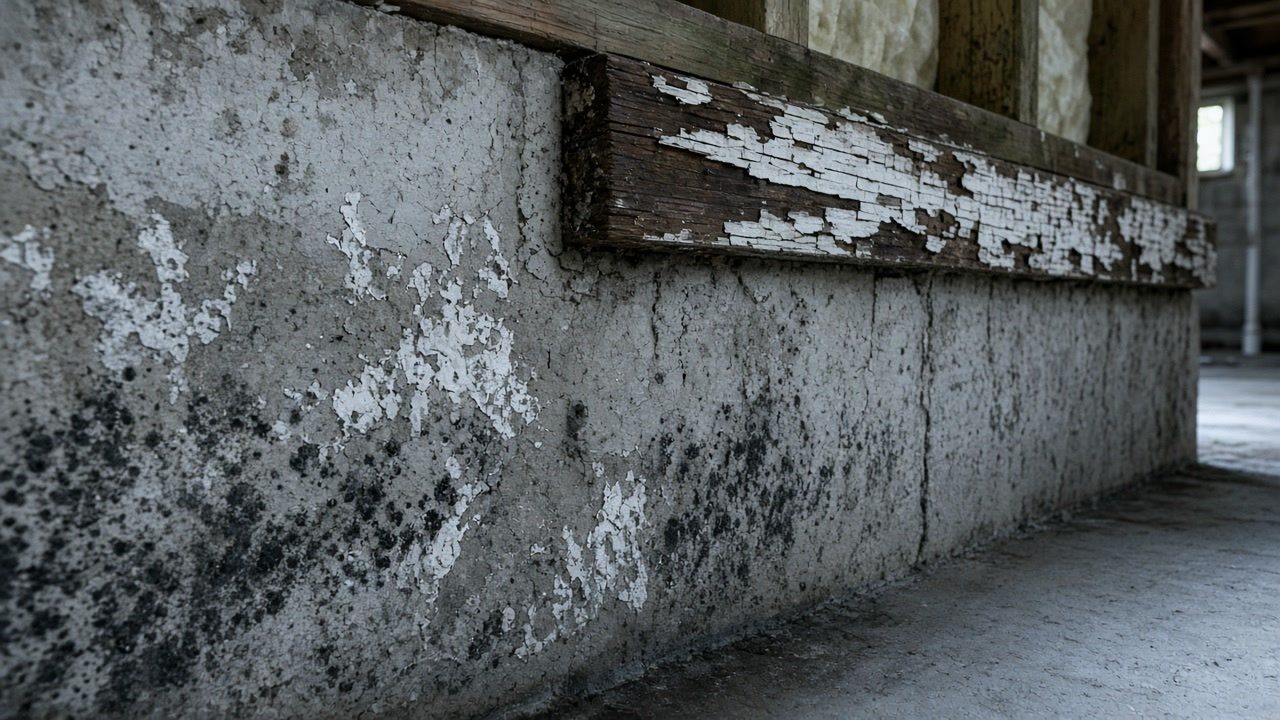
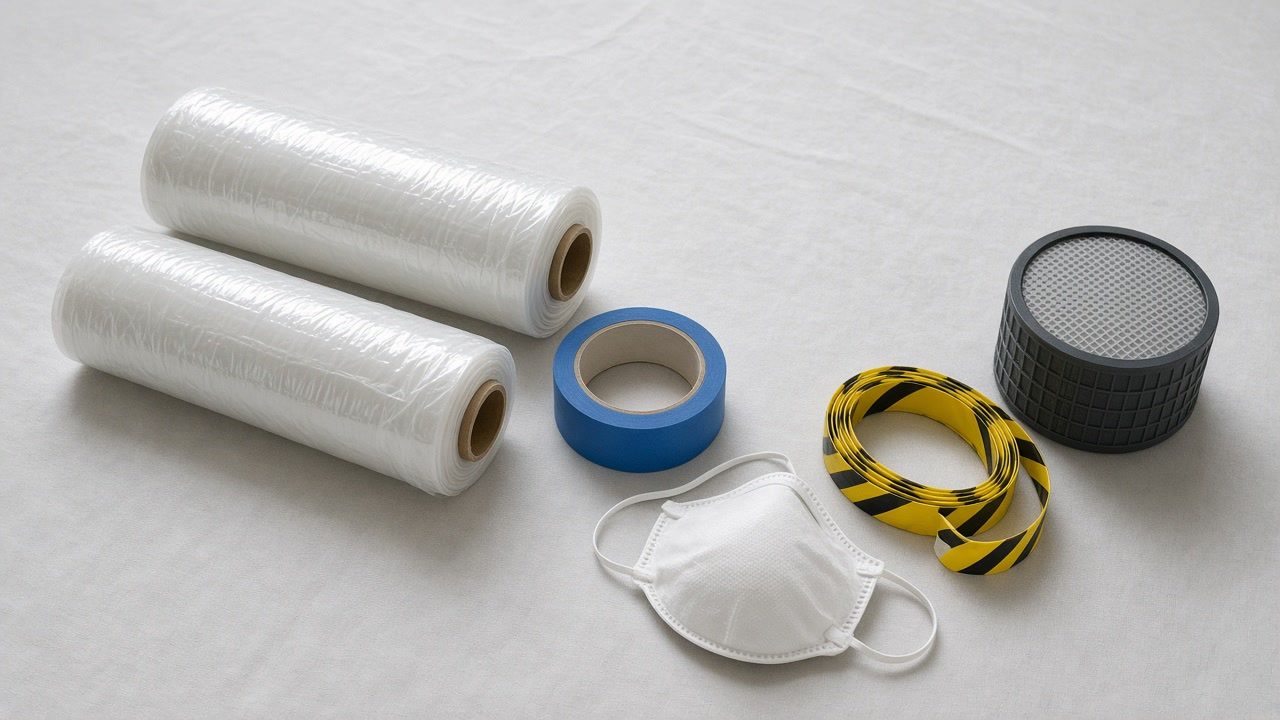
The Westchester County Department of Health says that although it publishes information about mold, radon and bedbugs, those and other housing complaints should go to the local building department and to licensed professionals, and that "Residents who rent their homes should first approach their landlord with their concerns."
Source: Westchester County Department of Health, Healthy Homes, accessed 2026-09-23
The Westchester County Department of Consumer Protection lists separate local building departments for the county's cities, towns and villages, including White Plains (70 Church Street), New Rochelle (515 North Avenue), Mount Vernon (1 Roosevelt Square), Port Chester (222 Grace Church Street), Peekskill (840 Main Street), Tarrytown (1 Depot Plaza), Sleepy Hollow (28 Beekman Avenue), Elmsford (15 South Stone Avenue), Yorktown (363 Underhill Avenue) and a joint Ossining Town/Village department at 101 Route 9A.
Source: Westchester County Department of Consumer Protection, Local Building Department Contact Information, accessed 2026-09-23
The Town of Greenburgh contains six incorporated villages, Ardsley, Dobbs Ferry, Elmsford, Hastings-on-Hudson, Irvington and Tarrytown, plus an unincorporated area of about 18 square miles that the Town itself governs and that its county plan annex covers.
Source: Westchester County Department of Planning, 2021 Westchester County Countywide Hazard Mitigation Plan, Section 9.11 Town of Greenburgh, accessed 2026-09-23
The county plan's Town of Rye annex states that "The Town of Rye does not assist in the implementation of the NFIP. The town lacks any land use or building authority and relies in its coterminous villages for implementation of the NFIP." Port Chester is a village within the Town of Rye, and names its Building Department and Planning Department as responsible for floodplain management.
Source: Westchester County Department of Planning, 2021 Westchester County Countywide Hazard Mitigation Plan, Section 9.21 Town of Rye, accessed 2026-09-23
The county plan states that because the Village of Pelham comprises the total land area of the Town of Pelham, the Town "does not participate in the NFIP as an independent jurisdiction"; the plan treats the Town of Pelham as the aggregate of the Village of Pelham and the Village of Pelham Manor.
Source: Westchester County Department of Planning, 2021 Westchester County Countywide Hazard Mitigation Plan, Section 9.19 Town of Pelham, accessed 2026-09-23
The 2020-2024 American Community Survey estimates that 61.8 percent of Westchester County's occupied housing units are owner occupied and 38.2 percent are rented.
Source: U.S. Census Bureau, American Community Survey 2020-2024 5-year estimates, table B25003 Tenure, accessed 2026-09-23
Under Chapter 581 of the Laws of Westchester County, in effect from August 15, 2022, a Flood History Disclosure Form must be completed and presented to each prospective tenant of residential and commercial leaseholds and sublets in the county. The form asks whether the property is in a Special Flood Hazard Area, whether it has flooded within the past ten years, a description of flood events and damage including "the approximate height the water reached", and any efforts to reduce flood risk.
Source: Westchester County Department of Planning, Flood History Disclosure Form (Chapter 581), accessed 2026-09-23
The New York State Department of Labor runs a public Licensed Mold Contractors Search Tool for assessment and remediation contractors and an individual license search, and accepts mold complaints by online form, after which "an inspector from the district serving your county will investigate the complaint".
Source: New York State Department of Labor, Mold Program, accessed 2026-09-23
Labor Law section 931 makes it unlawful for any contractor to engage in mold assessment or mold remediation on a project, "or to advertise or hold themselves out as" a mold assessment or mold remediation contractor, without a valid license of that type issued by the commissioner, and requires a copy of the license to be "conspicuously displayed at the work site on a mold project."
Source: New York State Senate, Consolidated Laws, Labor Law Article 32 (Licensing of Mold Inspection, Assessment and Remediation Specialists), section 931, accessed 2026-09-23
Labor Law section 932 requires a mold license applicant to be at least eighteen, to have completed commissioner-approved coursework, and to carry "liability insurance of at least fifty thousand dollars providing coverage for claims arising from the licensed activities".
Source: New York State Senate, Consolidated Laws, Labor Law Article 32 (Licensing of Mold Inspection, Assessment and Remediation Specialists), section 932, accessed 2026-09-23
The Westchester County Department of Consumer Protection states that "Westchester law requires that home improvement contractors have a county license", maintains a list of licensed contractors and a list of "renegade renovators consumers should avoid".
Source: Westchester County Department of Consumer Protection, Home Improvement Contractors, accessed 2026-09-23
EPA's Renovation, Repair and Painting Rule requires anyone paid to perform work that disturbs painted surfaces in homes, child care facilities and preschools built before 1978 to hold EPA lead-safe credentials under the rule and to follow lead-safe work practices. The Westchester County Department of Consumer Protection carries the same advisory for home improvement contractors.
Source: U.S. Environmental Protection Agency, Lead Renovation, Repair and Painting Program, accessed 2026-09-23
In the 2020-2024 American Community Survey, Westchester County has 394,358 housing units. 27.5 percent were built in 1939 or earlier and 76.0 percent before 1980.
Source: U.S. Census Bureau, American Community Survey 2020-2024 5-year estimates, table B25034 Year Structure Built, accessed 2026-09-23
The Westchester County Department of Health states that despite media reports citing "black mold" (Stachybotrys) as a possible cause of rare conditions such as pulmonary hemorrhage and memory loss, "there has been no definitive scientific evidence linking indoor airborne mold exposure to these illnesses", while noting that molds "can, however, cause allergies and related health problems in sensitive individuals."
Source: Westchester County Department of Health, Mold, accessed 2026-09-23
The New York State Department of Labor's mold FAQ states: "In most cases, air sampling and mold testing is unnecessary. There are currently no EPA or Federal standards for mold."
Source: New York State Department of Labor, Mold Frequently Asked Questions, accessed 2026-09-23
Labor Law section 936 provides that "No licensee shall perform both mold assessment and mold remediation on the same property", that "No person shall own an interest in both the licensee who performs mold assessment services and the licensee who performs mold remediation services on the same property", and that an assessor must give a written report to each paying client.
Source: New York State Senate, Consolidated Laws, Labor Law Article 32 (Licensing of Mold Inspection, Assessment and Remediation Specialists), section 936, accessed 2026-09-23
Services this guide relates to
Need someone to look at it?
Send the details and we will come back to you.