Water Damage Drying in Rye, Once the Sound Has Receded
Get a Rye basement dry in the order seawater demands, so the fans are not blowing across material that should already be out of the house.
Water Damage Drying quote in Rye
Tell us the town, how the water got in, and how long it has been wet. Those three answers tell us what kind of water this was, and in Westchester the kind of water decides most of what the job involves.
Would you rather talk it through? Call (315) 640-3590.
$100 off your first job
Credited by us on your first booked job.
- One credit per customer per property, on your first booked job.
- Valid through December 31, 2026.
Mention this offer when you book. Full terms.
Drying a Rye basement the Sound reached
The goal is a structure back at normal moisture readings before growth can take hold, and in Rye the kind of water decides how you get there. If a supply line burst, extraction and drying can usually start at once. If the Sound came in, the soaked porous material is removed first and drying follows. Either way the clock matters: EPA's guidance is that material dried within 24 to 48 hours of a leak in most cases does not grow mold. FEMA paid 228 City of Rye flood claims for Ida, so this sequence is familiar ground in the city.

What water damage drying involves in Rye
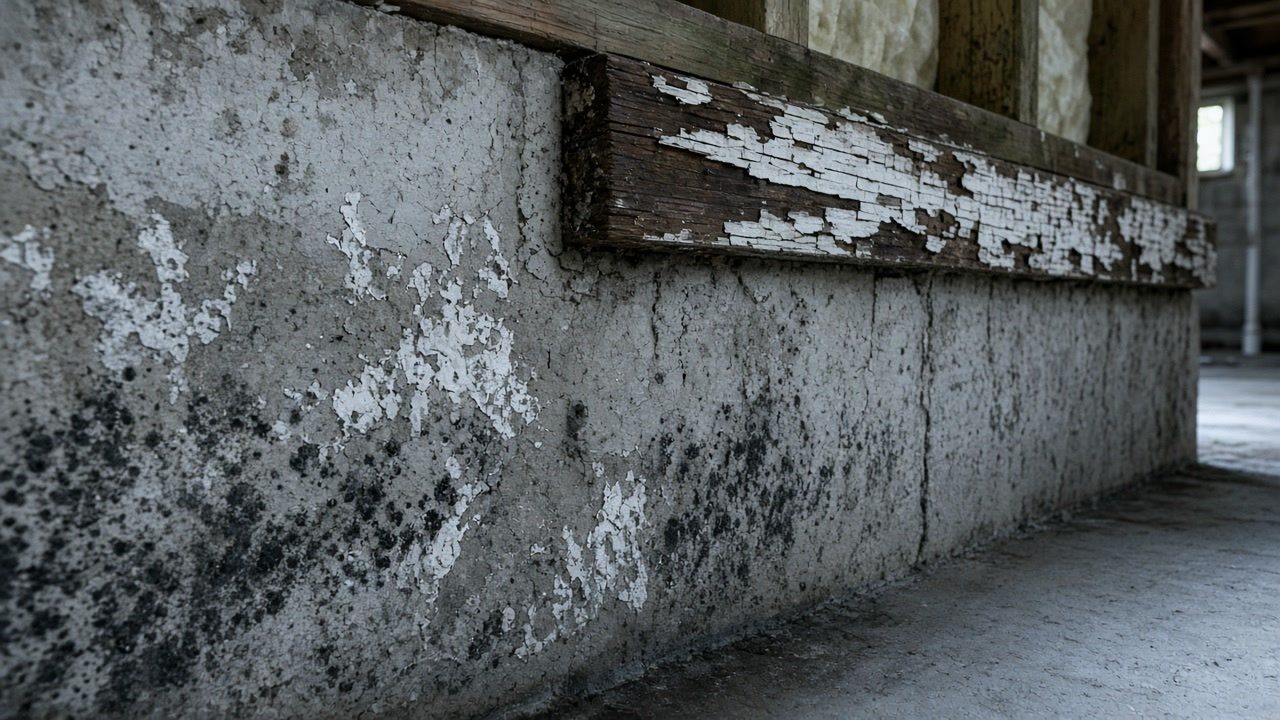
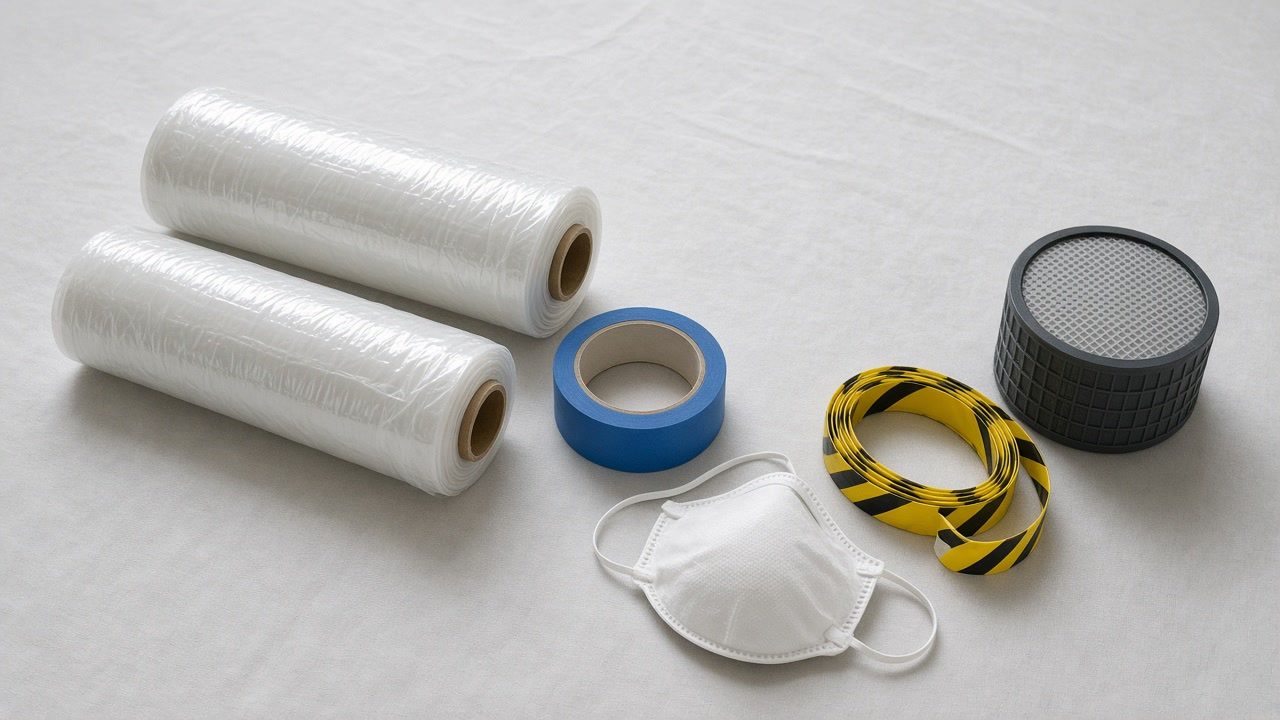
Before a Rye dry out starts, settle the water type
The mistake that costs Rye owners most is running fans across a basement that took Sound water, because blowing air over contaminated material can spread it through the house. So before you rent equipment or book a crew, be honest about the source. If you cannot tell, an assessment settles it. If it was clean water from inside the house, caught quickly and sitting on hard floors, a dehumidifier and a few days may be all it needs, and we will tell you that.
Furnace off if it sat in water
Leave the furnace or air handler off until someone has checked it. Running it can push contaminated air through the rest of the house.
Surge water: removal first
The drying firm pulls the wet porous material before any air movers go in. That is the standard's order for seawater, not a preference.
Readings, not a calendar
Drying ends when moisture readings return to normal, not after a set number of days. Ask to see the readings.
Rye's Ida flood claims and the drying clock
Per FEMA's NFIP claims records as of September 8, 2026, the City of Rye has 1,566 paid flood claims totaling about $59.8 million, and 228 of them, about $21.8 million, are dated to Ida (September 1 to 3, 2021).
Source: FEMA, OpenFEMA NFIP Redacted Claims v3 (dataset as of 2026-09-08), Westchester County, analyzed 2026-09-23, accessed 2026-09-23
EPA's guide to mold and moisture states: "If wet or damp materials or areas are dried 24-48 hours after a leak or spill happens, in most cases mold will not grow."
Source: U.S. Environmental Protection Agency, A Brief Guide to Mold, Moisture and Your Home, accessed 2026-09-23
FEMA's FloodSmart site states that "Most homeowners and renters insurance do not cover flood damage. Only a flood insurance policy will help you recover after a flood", and lists "Personal property kept in basements" among the things flood insurance does not cover.
Source: FEMA, FloodSmart, What Flood Insurance Covers, accessed 2026-09-23
Is there still water in the Rye basement?
Tell us how it got in and how long it has been there. We will point you to a firm suited to that water, with no obligation.
Rye inspection and removal, when drying is not enough
Rye questions about drying out after a surge
My flood policy covered the structure. Does it cover what was stored down there?
Often not. FEMA's own flood insurance site lists personal property kept in basements among the things a flood policy does not cover. Check your policy wording; we do not file or negotiate claims.
How soon after the water goes down should drying begin?
As soon as the water has stopped and the space is safe to enter. After seawater, the first step is removing soaked material, and that can begin before the paperwork is settled.
Start the Rye dry out with the facts
Send the date, the source and the rooms that took water. A person reads it and tells you what kind of firm the job needs.