Water Damage Drying in the Village of Mamaroneck After a Storm
Get standing water out and the Mamaroneck structure measured and drying, in the order that suits the water that came in.
Water Damage Drying quote in Mamaroneck
Tell us the town, how the water got in, and how long it has been wet. Those three answers tell us what kind of water this was, and in Westchester the kind of water decides most of what the job involves.
Would you rather talk it through? Call (315) 640-3590.
$100 off your first job
Credited by us on your first booked job.
- One credit per customer per property, on your first booked job.
- Valid through December 31, 2026.
Mention this offer when you book. Full terms.
Drying a Mamaroneck lower level in the first days
When a storm puts water in a village basement, what you want is simple: the water out, the walls and floor measured, and dehumidifiers running before anything starts to grow. The order depends on the water. Rain that leaked in through a wall is often dried in place; water that rose from outside is treated as contaminated, and the soaked material goes before the fans come in. This village took 107 paid flood claims for the late September 2023 storm alone, the most of any Westchester community, so the choice between drying and removing comes up here more than anywhere in the county.

What water damage drying involves in Mamaroneck
Mamaroneck drying: when fans help and when they do not
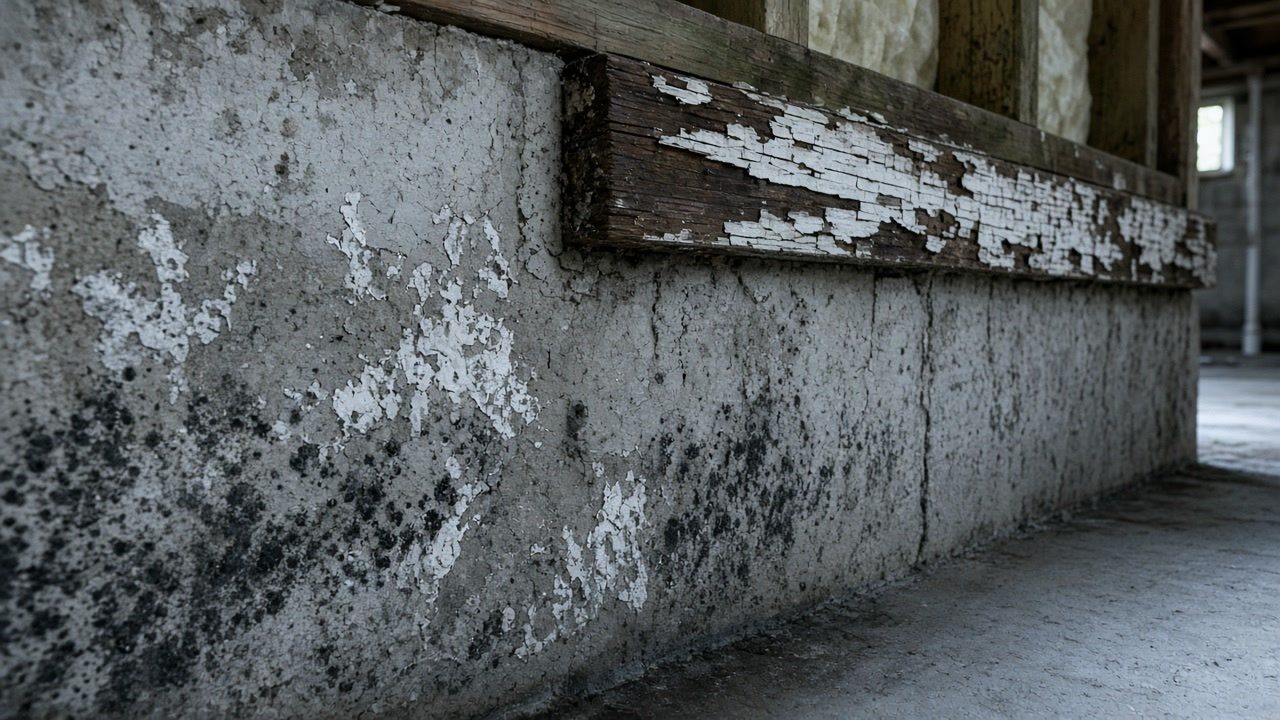
A dry out is the right call when the water arrived in the last day or two and nothing is growing yet. It is the wrong one on its own when the basement has flooded before and was refinished, because moisture from the earlier event can already be behind the new walls, and a surface dry out will not reach it. In that case start with an assessment. And if a dehumidifier keeps the room below 60 percent humidity and the walls read dry, you may not need a crew at all.
Where the water came from
Water rising from outside is handled as the most contaminated class. Rain through a wall or window is judged on inspection and may be dried in place.
How many times this room has been wet
A second flood on top of a first changes the job. Tell the drying firm what the basement went through before.
Humidity afterwards
EPA advises keeping indoor humidity below 60 percent. A basement that stays above it after drying needs a dehumidifier running, not another crew.
Mamaroneck's mapped flood share and the 2023 storm
The county plan estimates 1,035 of the Village of Mamaroneck's 5,699 buildings, 18.2 percent, are in the mapped 1 percent annual chance flood area, the highest share in the county, carrying 29.2 percent of the village's replacement cost value. It also estimates the largest single-municipality flood loss, about $457.4 million.
Source: Westchester County Department of Planning, 2021 Westchester County Countywide Hazard Mitigation Plan, Section 5.4.3 Flood, Table 5.3.2-6, accessed 2026-09-23
FEMA's claims records show 429 paid NFIP claims in Westchester County with a loss date of September 28 to 30, 2023, the event FEMA labels "Late-September New York Flooding". The largest counts were the Village of Mamaroneck (107), New Rochelle (58) and unincorporated Greenburgh (49).
Source: FEMA, OpenFEMA NFIP Redacted Claims v3 (dataset as of 2026-09-08), Westchester County, analyzed 2026-09-23, accessed 2026-09-23
EPA advises: "Keep indoor humidity below 60 percent (ideally between 30 and 50 percent) relative humidity", and "If you see condensation or moisture collecting on windows, walls or pipes act quickly to dry the wet surface and reduce the moisture/water source."
Source: U.S. Environmental Protection Agency, A Brief Guide to Mold, Moisture and Your Home, accessed 2026-09-23
Standing water in the Mamaroneck basement now?
Say how deep it is and where it came in. We will point you to a drying firm suited to that water, with no obligation.
When a Mamaroneck dry out needs an inspection or removal
Mamaroneck questions about drying after heavy rain
The water came in through the foundation wall, not over the sill. Is it contaminated?
Not automatically. The trade's consensus body says water from weather events is not presumed to be the most contaminated category; the restorer decides after looking. Water that rose from outside is a different matter.
Should I pull up the carpet myself while I wait?
If the water was clean and you can do it safely, getting wet carpet and pad out helps the room dry. If the water rose from outside, leave it for a firm working with contamination controls and protective gear.
Send what the storm did to the lower level
Rooms, depth and how long it has been wet. A person reads every request and replies with the next sensible step.