Mold Remediation in Mamaroneck's Finished Lower Levels
A licensed remediation firm takes out what the assessor's plan lists from your finished Mamaroneck basement, and cleans what is allowed to stay.
Mold Remediation quote in Mamaroneck
Tell us the town, how the water got in, and how long it has been wet. Those three answers tell us what kind of water this was, and in Westchester the kind of water decides most of what the job involves.
Would you rather talk it through? Call (315) 640-3590.
$100 off your first job
Credited by us on your first booked job.
- One credit per customer per property, on your first booked job.
- Valid through December 31, 2026.
Mention this offer when you book. Full terms.
What decides the size of a Mamaroneck removal
Close to four in ten village homes were built before 1940, so behind the newer finishes there is often older plaster, painted trim or a stone wall, and each of those changes the removal. Ask the firm whether its crew works lead-safe on pre-1978 paint before you sign. And hold off entirely if water is still getting in: stripping a basement while the source is live means paying for the same removal after the next storm.
Stop the water first
If the source is still active, the removal waits. The plan should name the source, and someone should fix it before the walls come out.
Old house behind the new walls
A prewar Mamaroneck house can hide plaster or stone behind modern drywall. That changes how the firm contains and cleans the space.
Line by line against the plan
Areas and quantities in the bid should match the assessor's plan. Anything extra deserves an explanation in writing.
Why finished basements dominate Mamaroneck removals
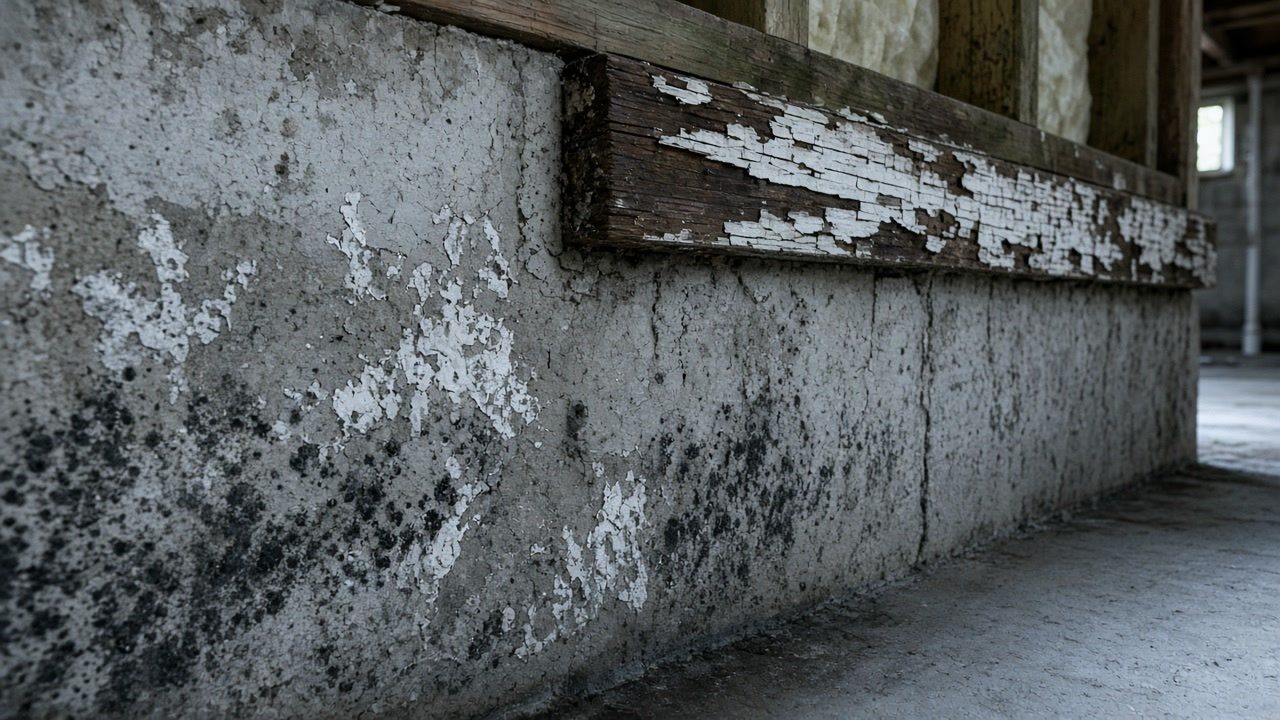
In the 2020-2024 American Community Survey, Mamaroneck village has 7,858 housing units; 38.1 percent were built in 1939 or earlier and 78.4 percent before 1980.
Source: U.S. Census Bureau, American Community Survey 2020-2024 5-year estimates, table B25034 Year Structure Built, accessed 2026-09-23
Of the paid NFIP claims in Westchester County with a recorded basement or enclosure type (6,434 claims), 5,872, about 91 percent, were for buildings with a basement, and 3,640, about 57 percent, were for buildings with a finished basement, per FEMA's claims records as of September 8, 2026.
Source: FEMA, OpenFEMA NFIP Redacted Claims v3 (dataset as of 2026-09-08), Westchester County, analyzed 2026-09-23, accessed 2026-09-23
Labor Law section 947 provides that for a remediated project to achieve clearance, a mold assessment licensee must conduct a post-remediation assessment, determine that the work area is free from all visible mold and that the work followed the remediation plan, and determine "that the underlying cause of the mold has been remediated"; the assessor then issues a written passed clearance report or a final status report.
Source: New York State Senate, Consolidated Laws, Labor Law Article 32 (Licensing of Mold Inspection, Assessment and Remediation Specialists), section 947, accessed 2026-09-23
What mold remediation involves in Mamaroneck
Taking apart a finished Mamaroneck basement
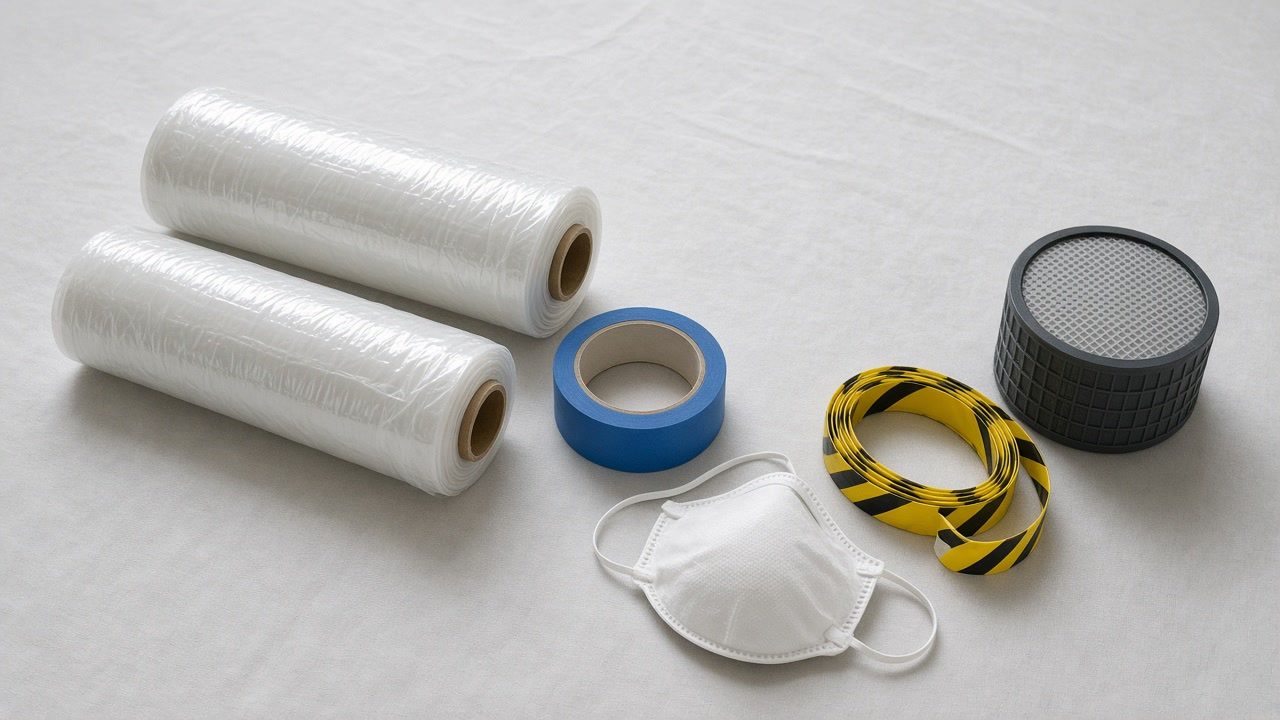
Most of what makes up a finished basement is exactly what cannot be saved once flood water has soaked it: drywall, batt insulation, carpet and pad, laminate, ceiling tile. A Mamaroneck removal usually means cutting the walls to a line the plan sets, bagging those materials under containment, then HEPA cleaning the studs, joists and slab that stay. Across the county, FEMA's records show about 57 percent of paid flood claims with a recorded basement type were for buildings with a finished basement, so this is the common case, not the exception.
Is the Mamaroneck plan already written?
Send the areas it lists and we will arrange a licensed remediation firm to bid on exactly that, with no obligation.
Mamaroneck questions about stripping a finished basement
Why does the carpet have to go when it looks dry now?
Because looking dry and being dry are different. Carpet pad and the drywall behind it hold water long after the surface feels fine, and after flood water they are removed rather than cleaned.
Who clears the job when the removal is finished?
A licensed assessor, not the removal firm. New York requires a post remediation assessment that checks the work against the plan and confirms the cause of the moisture was dealt with.
Describe the finished basement and what it took
Rooms, materials and the storms it went through. If no one has assessed it yet, that comes first, and we arrange it.