Water Damage Drying in Elmsford, River or Rain
Get an Elmsford basement dry in the order its water calls for: removal first after the river, straight to drying after clean rain.
Water Damage Drying quote in Elmsford
Tell us the town, how the water got in, and how long it has been wet. Those three answers tell us what kind of water this was, and in Westchester the kind of water decides most of what the job involves.
Would you rather talk it through? Call (315) 640-3590.
$100 off your first job
Credited by us on your first booked job.
- One credit per customer per property, on your first booked job.
- Valid through December 31, 2026.
Mention this offer when you book. Full terms.
Elmsford drying, sorted by where the water came from
A dry out here starts with one sorting question, and the answer changes the whole order of work. If the Saw Mill rose into the house, the soaked porous material is removed under contamination controls first, and the air movers and dehumidifiers come after. If rain came through a wall, a window well or a leaking roof, the trade's consensus body says that water is not automatically the worst category, and a firm can often extract and dry in place. The county plan counts only 47 Elmsford buildings in the mapped flood area, and they are far from the only ones that get wet.
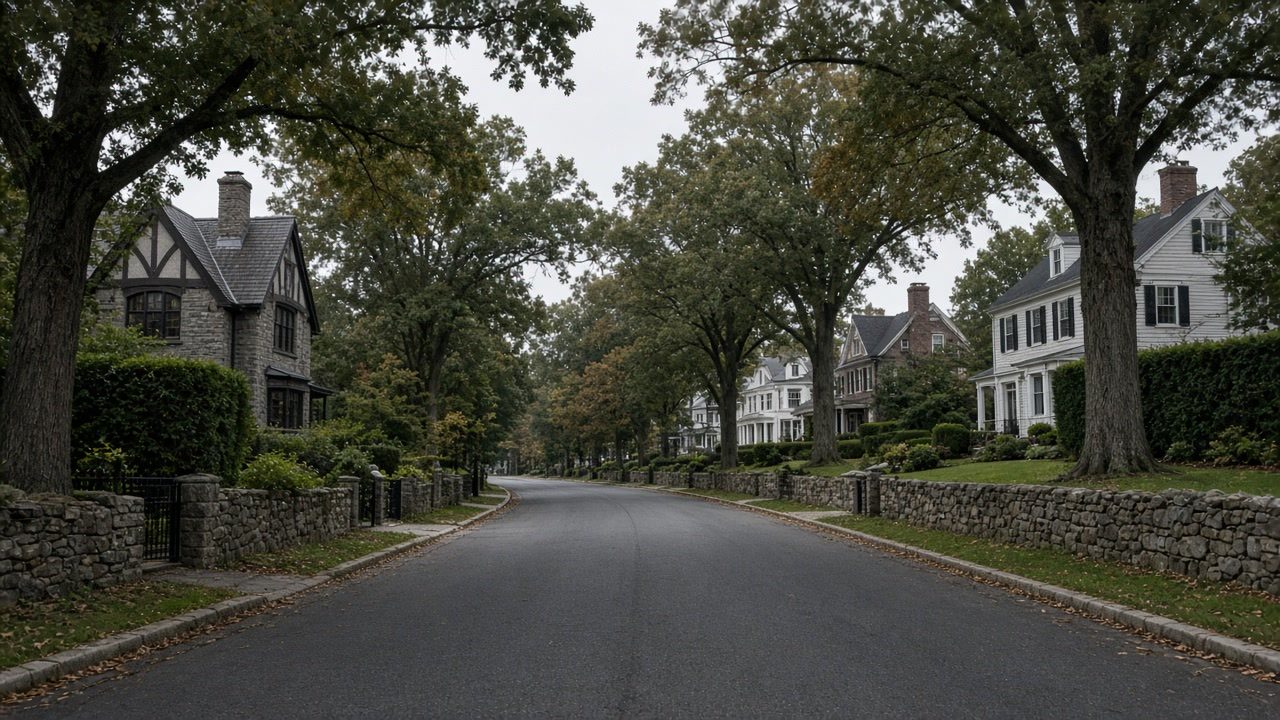
What water damage drying involves in Elmsford
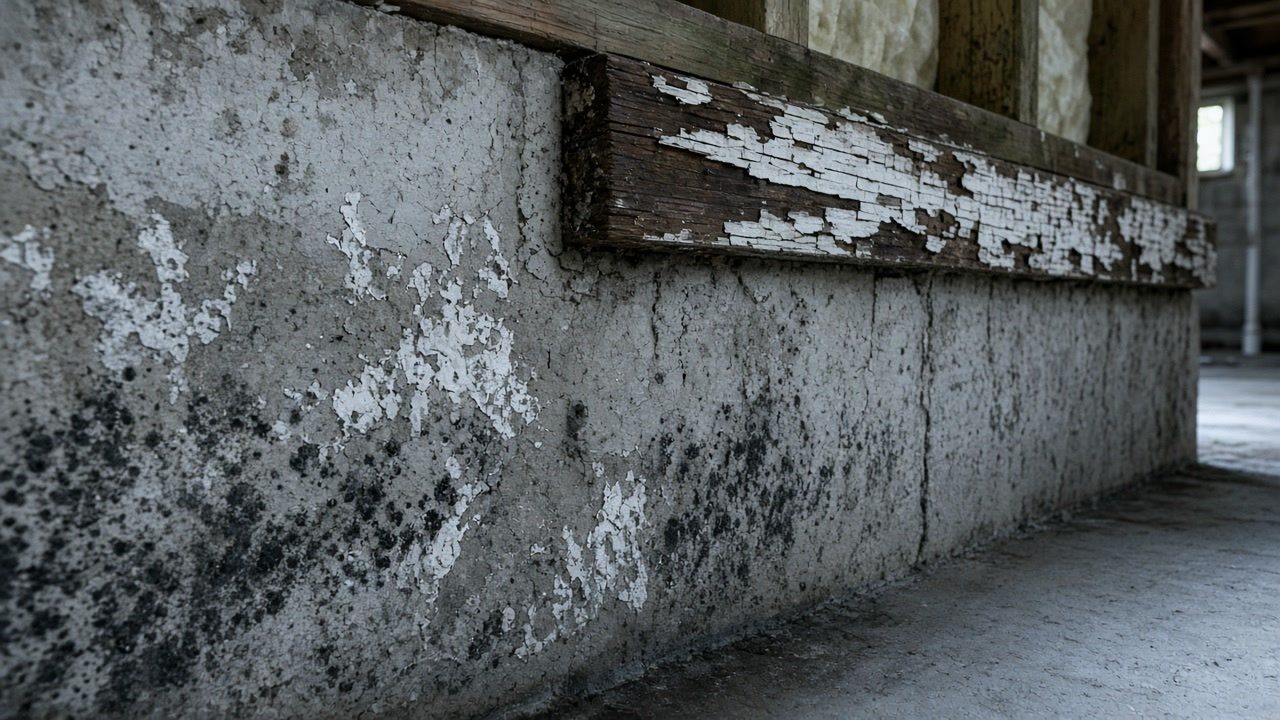
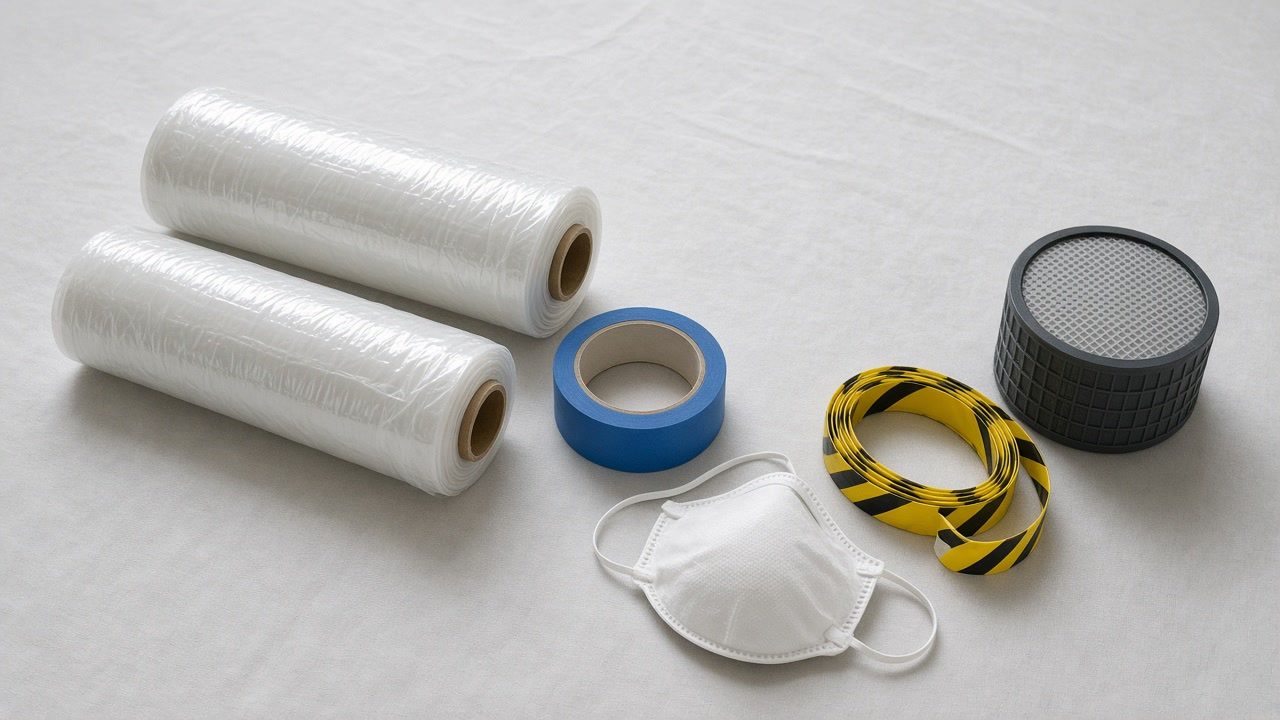
What an Elmsford renter or owner should weigh
Timing is the part you control. EPA says material dried within 24 to 48 hours of a leak in most cases does not grow mold, so an owner who hears about water in a rented unit a week later has already lost the easy version of this job. About 46 percent of village households rent: if that is you, tell the owner that day and in writing. If the water was a small clean spill on a hard floor, mop it, run a fan and a dehumidifier, and you may be done.
Tell the owner that day
A dated message the day the water appears keeps the drying inside the window that matters.
Leave river water alone
Do not wade in or start pulling carpet after a river flood. That work needs protective gear and contamination controls.
Clean water, quick start
For a supply line or a roof leak, stop the water, then start drying. That kind can usually be dried where it lies.
Elmsford's mapped flood area and its renters
The county plan estimates 47 of Elmsford's 1,358 buildings, 3.5 percent, are in the mapped 1 percent annual chance flood area, carrying 10.9 percent of the village's replacement cost value.
Source: Westchester County Department of Planning, 2021 Westchester County Countywide Hazard Mitigation Plan, Section 5.4.3 Flood, Table 5.3.2-6, accessed 2026-09-23
In the 2020-2024 American Community Survey, Elmsford has 1,753 housing units; 31.4 percent were built in 1939 or earlier and 72.0 percent before 1980, and 54.4 percent of occupied units are owner occupied.
Source: U.S. Census Bureau, American Community Survey 2020-2024 5-year estimates, table B25034 Year Structure Built, accessed 2026-09-23
In a March 16, 2026 position statement the ANSI/IICRC S500 Consensus Body states: "Top-down water ingress, wind-driven rain and water from weather related events are not automatically considered Category 3 Water." It says the category is set by a "preliminary determination" made by the restorer after inspection and information gathering.
Source: ANSI/IICRC S500 Consensus Body, Position Statement: Category of Water Damage and Weather-related Events, March 16, 2026 (citing ANSI/IICRC S500, 5th Edition, 2021), accessed 2026-09-23
Is the Elmsford basement still wet?
Tell us how it got in and when. We will point you at a drying firm that suits that water, with no obligation.
When an Elmsford dry out needs inspection or removal
Elmsford questions about drying after a storm
Does the dehumidifier I own do the job?
For a small, clean spill, it can. For a basement of water it will run for weeks while the walls stay wet, which is longer than mold needs. That is when extraction and commercial drying equipment are worth it.
The Saw Mill water drained away overnight. Does that change anything?
Not the category. River water is handled as contaminated whether it is standing or gone, and what it soaked still comes out before drying. What drainage does change is how soon the crew can start.
Tell us what the Elmsford basement took
Rooms, depth and the source if you know it. A person reads it and replies with the next step.